23 Things to Do in Point Pelee National Park with Kids – Complete Guide
Things to Do in Point Pelee National Park
Located in southwestern Ontario, Canada, Point Pelee National Park is an awesome place to visit with family. Despite its small size, there are so many things to do in Point Pelee National Park with kids.
So if you are looking for things to keep the kids busy during your visit, or trying to put together an itinerary before you go, we have you covered!
From kayaking on the sparkling waters of Lake Erie to witnessing the awe-inspiring monarch butterfly migration, Point Pelee has it all.
During our recent bucket list weekend in the park, we packed in as much as we possibly could. Even a rainy day didn’t stop us from exploring as much of the park as we could.
So, no matter what your family enjoys doing, you won’t have trouble turning your visit to Point Pelee National Park into an incredible experience.
Things to Do in Point Pelee National Park
Point Pelee National Park is located in Southwestern Ontario. Occupying 3,707 acres, the park consists of a variety of landscapes, including marshlands, forests and beautiful coastlines.
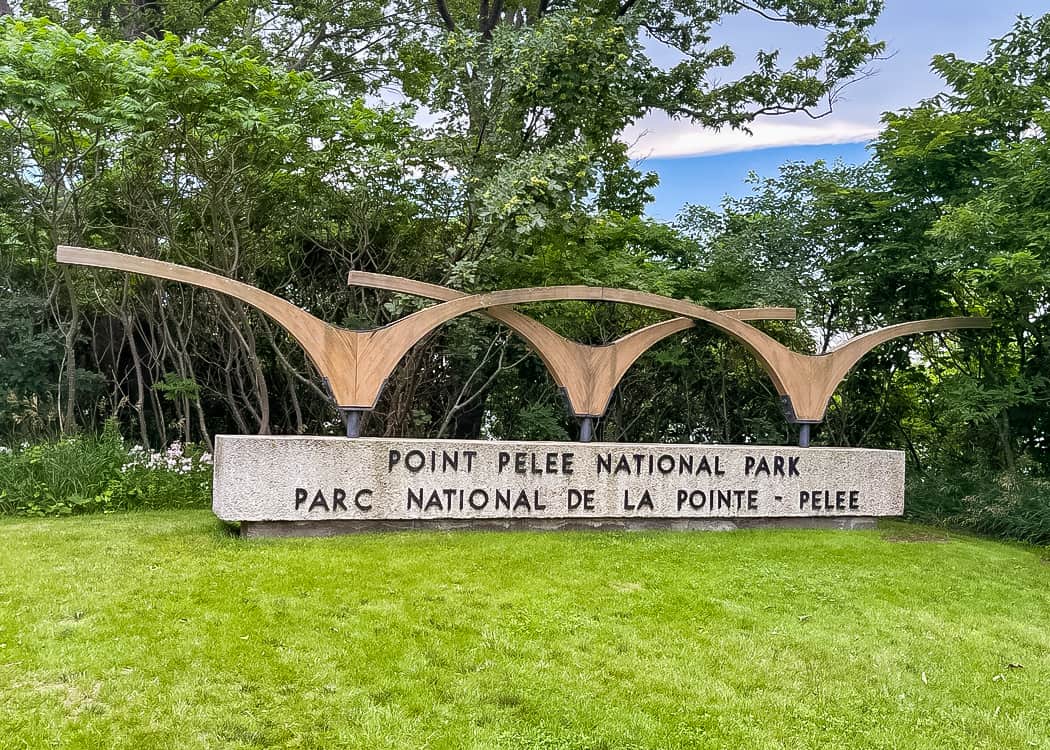
1. Take a Selfie at the Southernmost Tip of Mainland Canada
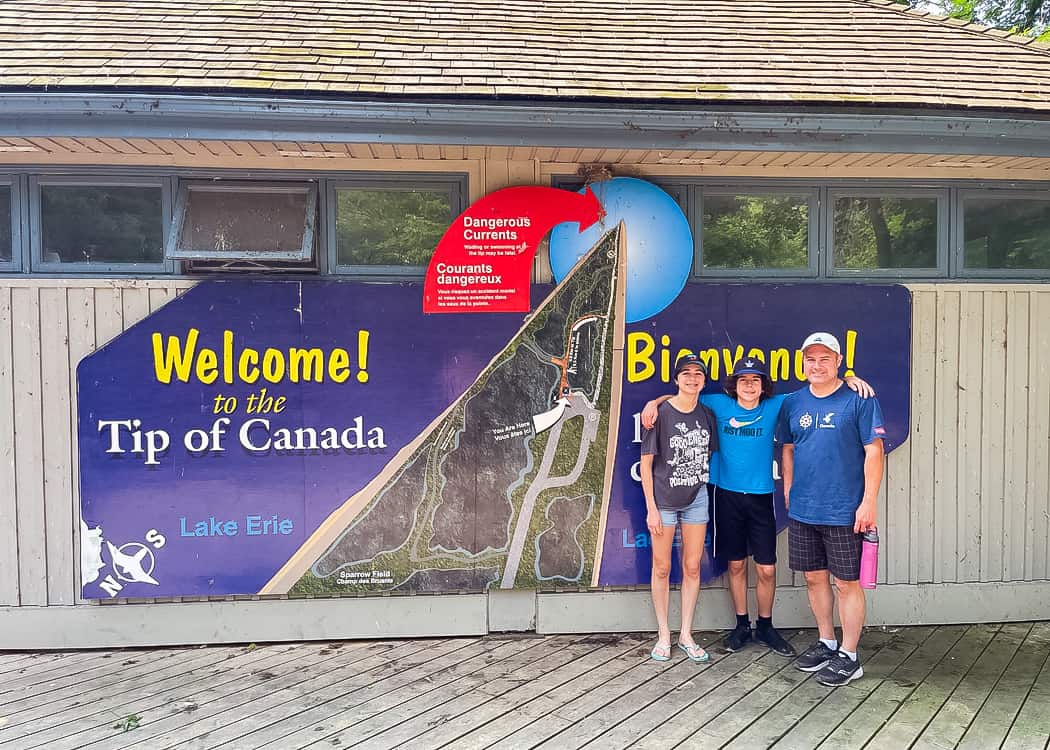
While this National Park is incredible, one of the big reasons that most people want to visit Point Pelee is to stand on the Southernmost tip of Mainland Canada.
This was definitely on our bucket list, as we had already seen the Easternmost tip of Canada during our visit to Newfoundland in 2022.
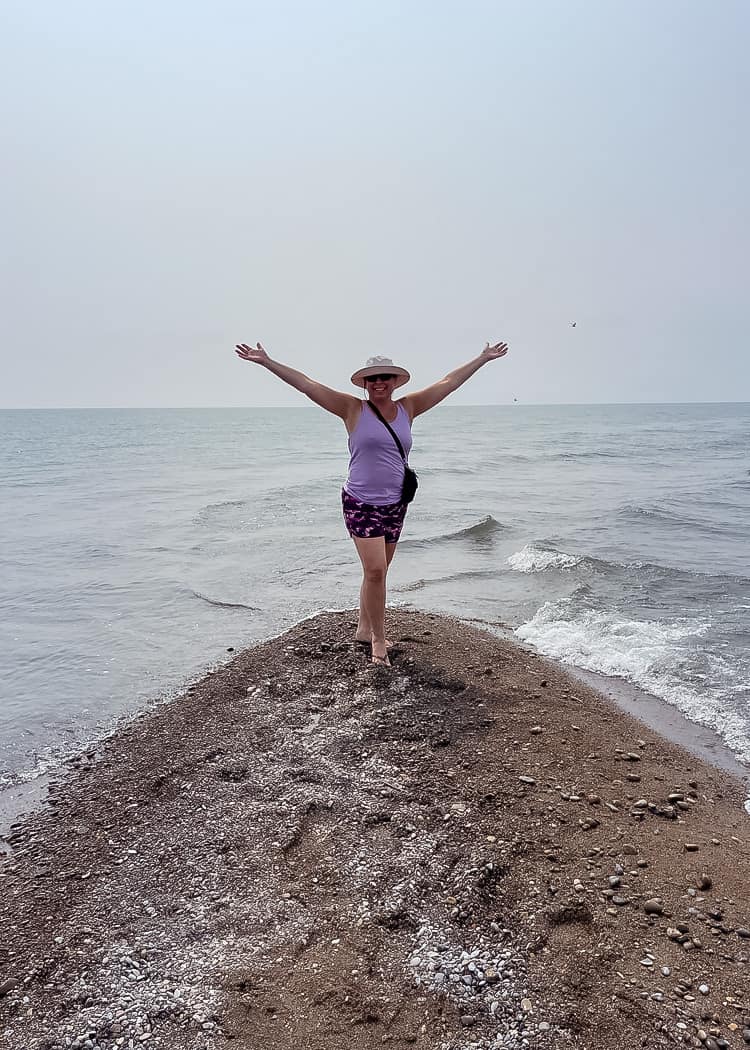
Getting to the Tip is actually pretty easy. During the summer months, the roadway is actually closed off to vehicular traffic.
Instead, the park offers a free shuttle service that operates continuously throughout the day. The shuttle ride is about 10 minutes, and you are dropped off right at the trailhead.
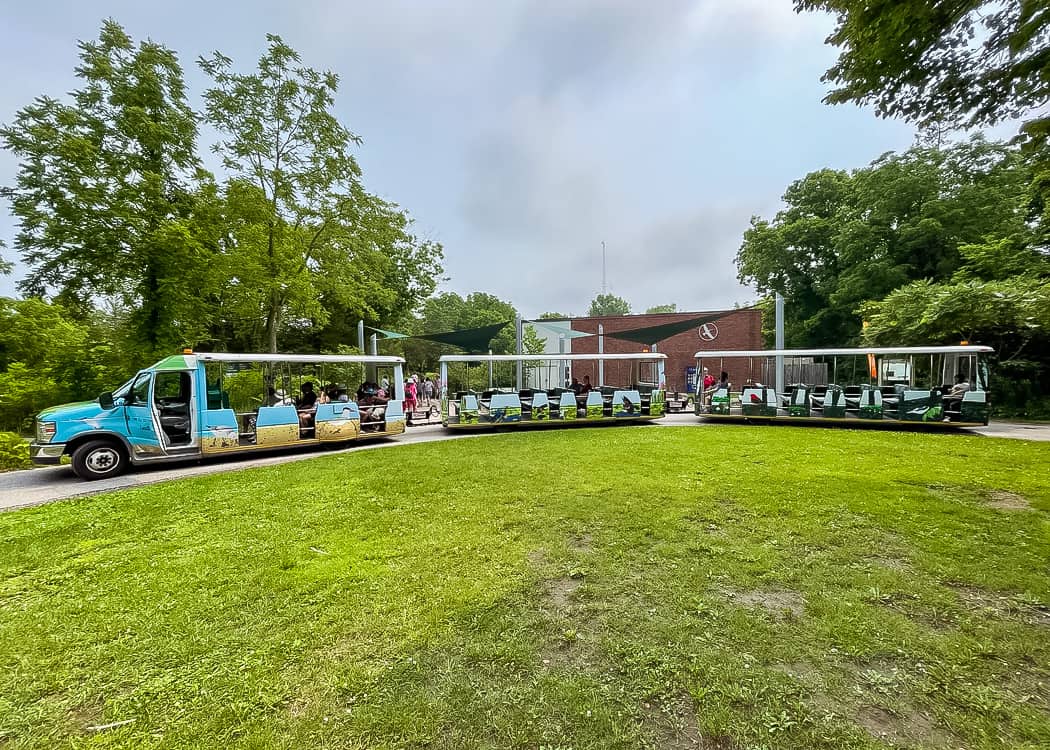
During the shoulder seasons, you are actually able to drive your own vehicle to the Tip.
From there, it’s about another .5 km walk to the Tip. Along the trail, you will find several photo opportunities as well as interpretive signs providing interesting facts about the region’s geography, ecology, and history.
You will also find several warning signs about the dangers of wading or swimming at the Tip.
With the 🌊 incredibly strong currents found at the Tip, many people have unfortunately lost their lives there. Our suggestion: heed the warnings and steer clear of wading or swimming in the water.
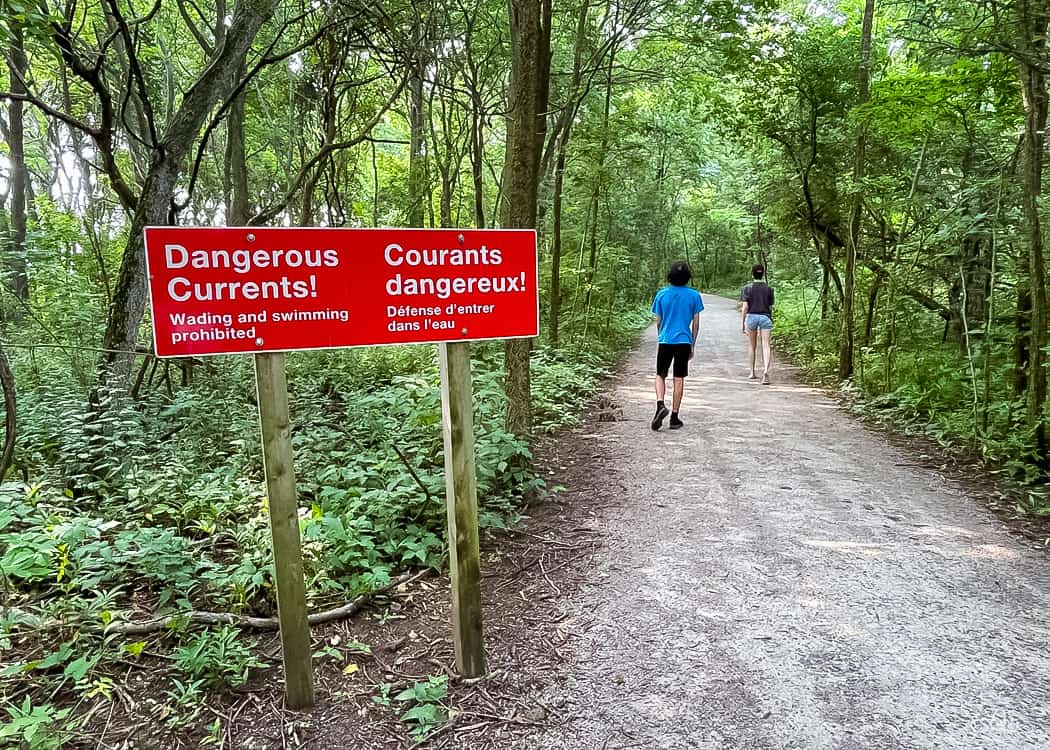
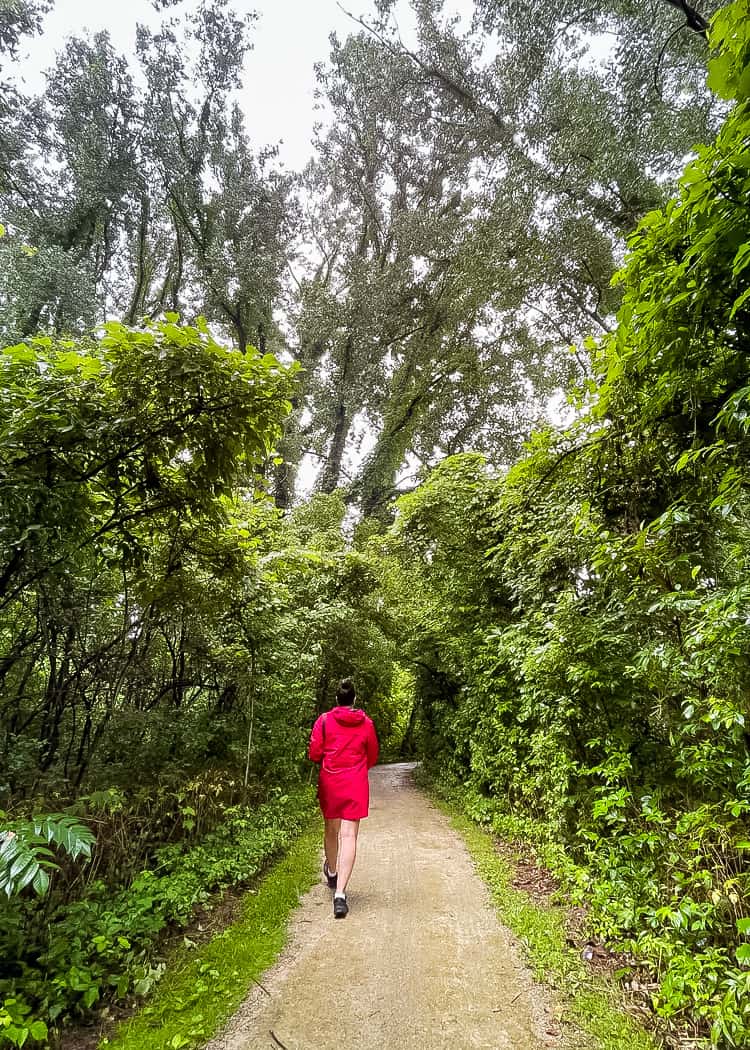
The trail leading to the Tip is pretty easy to navigate for the most part. It consists mainly of packed gravel. However, there was one short sandy patch that was a little difficult to walk on.
Once you reach the beach, it will be a short walk across sand and pebbles to reach the tip.
The boys wore running shoes, while Miss Somersault and I decided to go with flip-flops. Both worked out fine for us.
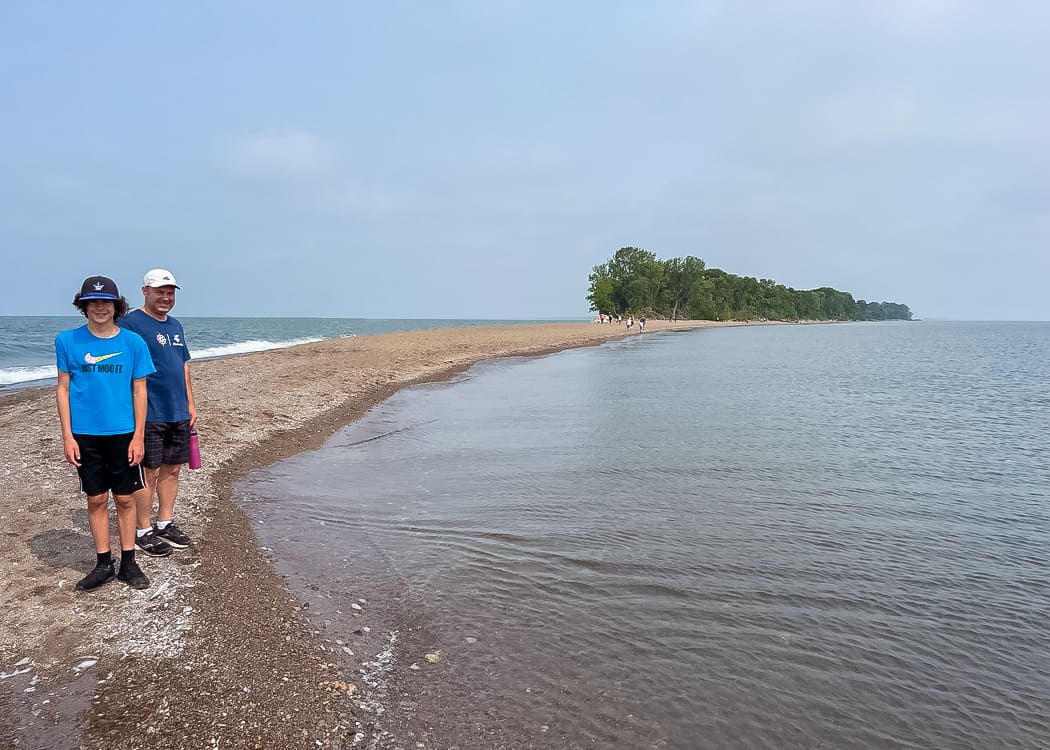
🌊 Insider Tip: Try to arrive earlier in the day, as the Tip will be less busy. Remember, it’s a very narrow strip of sand, so if you want that perfectly Instagrammable photo, you need to arrive before (or after) the crowds!
2. Climb the Observation Tower at the Tip
After you have taken that perfect selfie at the Tip, be sure to explore the area.
Go for a short hike along the groomed trail, and be sure to climb up to the viewing platform. Located right around the corner from where the shuttle drops you off, it’s a great way to end your visit to the Tip.
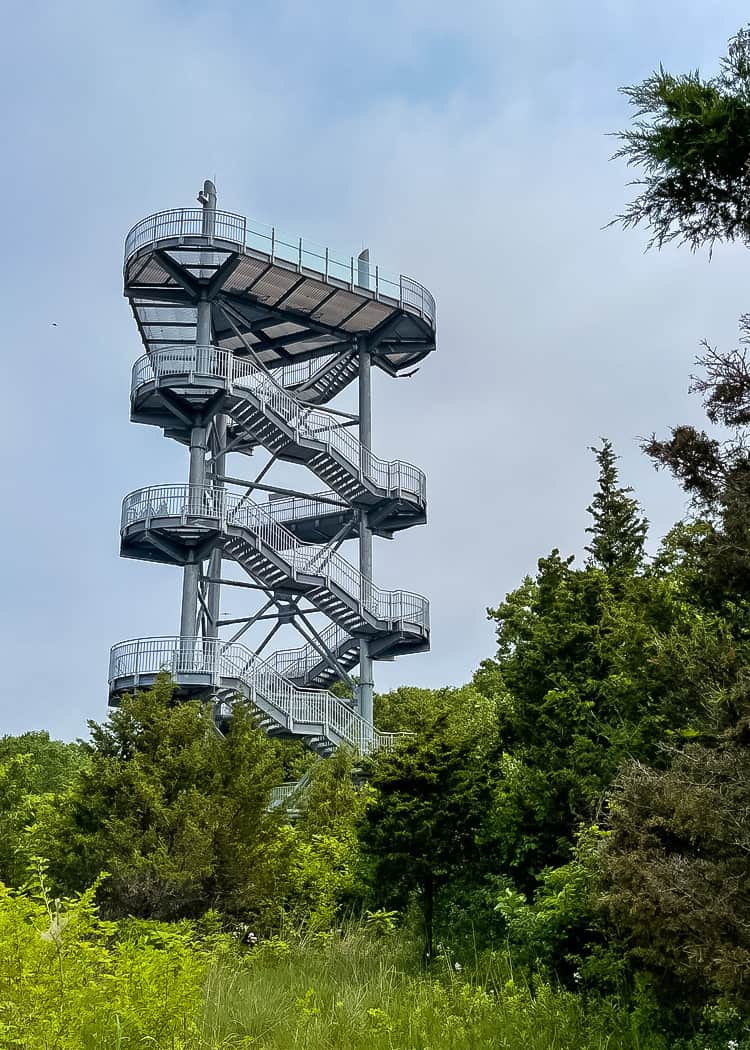
Unfortunately, the 24-metre-high Point Pelee Tip Tower was closed during our visit. However, we can just imagine the awesome views of the coast, and the Tip, that you would have from the top.
3. Spend the Night in an oTENTik
If you are interested in doing a little national park camping at Point Pelee, there is only one way to do it: in an oTENTik! And we absolutely LOVED the experience.
Unlike other National Parks (or even a provincial park) that give you the option of tent camping or bringing in your RV, Point Pelee only offers oTENTiks.
Camp Henry is home to 24 oTENTiks spread out over a pretty large area. These unique accommodations offer the perfect blend of camping and comfort, providing an unforgettable experience.

And in case you have never seen an oTENTik, they are large tent-like structures found in many of our National Parks.
The oTENTiks are up on a platform and come with a BBQ and Muskoka chairs outside. Inside, you will find bunk beds with mattresses enough to sleep 6, a table and chairs, a space heater and fan, lights, and one electrical outlet.
Point Pelee oTENTiks also provide dishes and cooking utensils enough for basic meals, which was really nice.
All you really need is your own food and bedding!
There are two comfort stations, conveniently located at either end of the campground. The comfort stations are equipped with showers, washrooms, as well as 2 dishwashing stations.

And while the oTENTik sites are not drive-up, carts are provided to help carry your gear to your accommodations. There is also plenty of parking nearby.
4. Make a Splash at the Beach
Ready to make a splash and soak up the sun? Point Pelee National Park Point Pelee offers 20 kilometres of smooth sand on the west and east sides of the peninsula.
With its sandy shores, warmer waters, and picturesque views, this is the perfect spot to relax and have some fun in the sun.
If you are visiting Point Pelee for the day, there are several beach access points located throughout the park. There, you will find parking, as well as washrooms.
On the beach, you will also find picnic tables as well as some BBQs for your convenience.

If you are staying the night at Camp Henry, as we did, there is a beach access point directly across the street from the parking lot.
This was really convenient, as we didn’t have to drive or lug our beach gear very far.
Just a heads up, there are no lifeguards on duty. So while the slope to get into the lake was pretty gentle, it did get deep fast.
And while we visited, the water did get pretty rough on one of the days.
🏖️ Fun Fact: Point Pelee has the longest continuous natural beach in Essex County.
5. Check Out the Views from One of the Lookouts
Point Pelee is home to several small viewpoints scattered throughout the park. They usually consist of wooden platforms that are easily accessible from the trails.
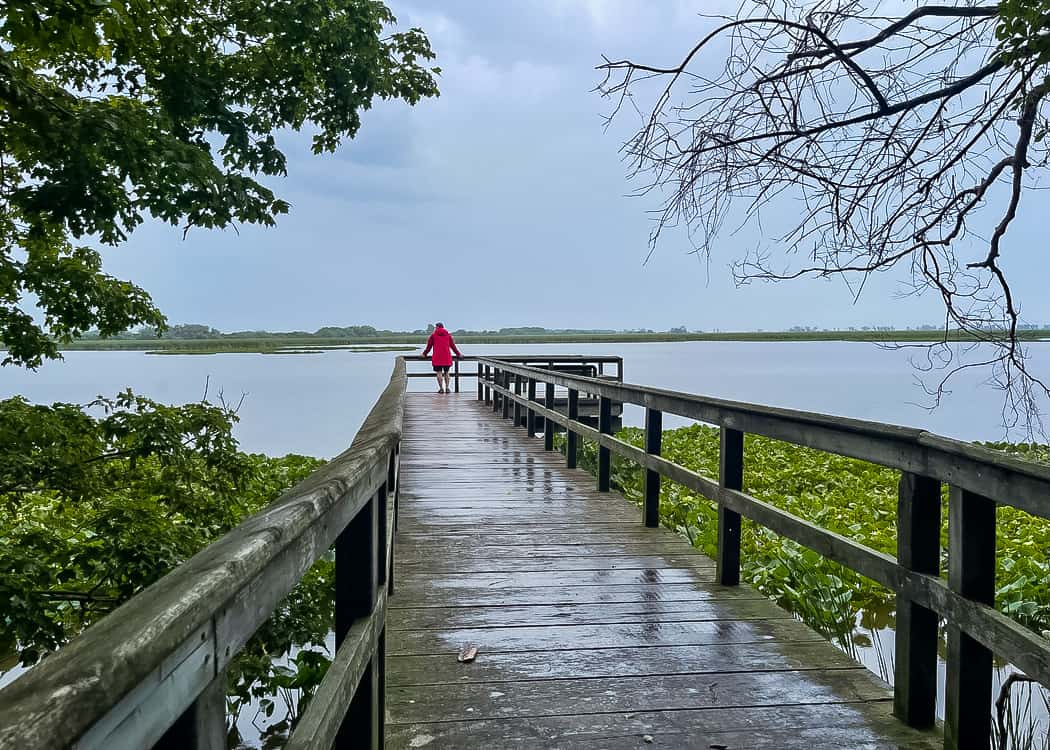
The viewpoints overlook the marsh, beach, forest, and other significant landmarks in the park. Most also have interpretive signs that allow you to learn a little about Point Pelee’s natural features.
🔭 Pro Tip: Grab a park map from the gate. The map will include all the lookout points in the park, as well as trails and landmarks.
One of our favourite lookouts was at the Tower at the Marsh Boardwalk. You could see much of the Marsh Boardwalk, watch the kayakers, and see a ton of birds.
But the best part, and something we truly recommend, is to head there at night! From the Marsh Boardwalk Tower, you will see the twinkle of a million fireflies, and hear a chorus of frogs. Truly magical!
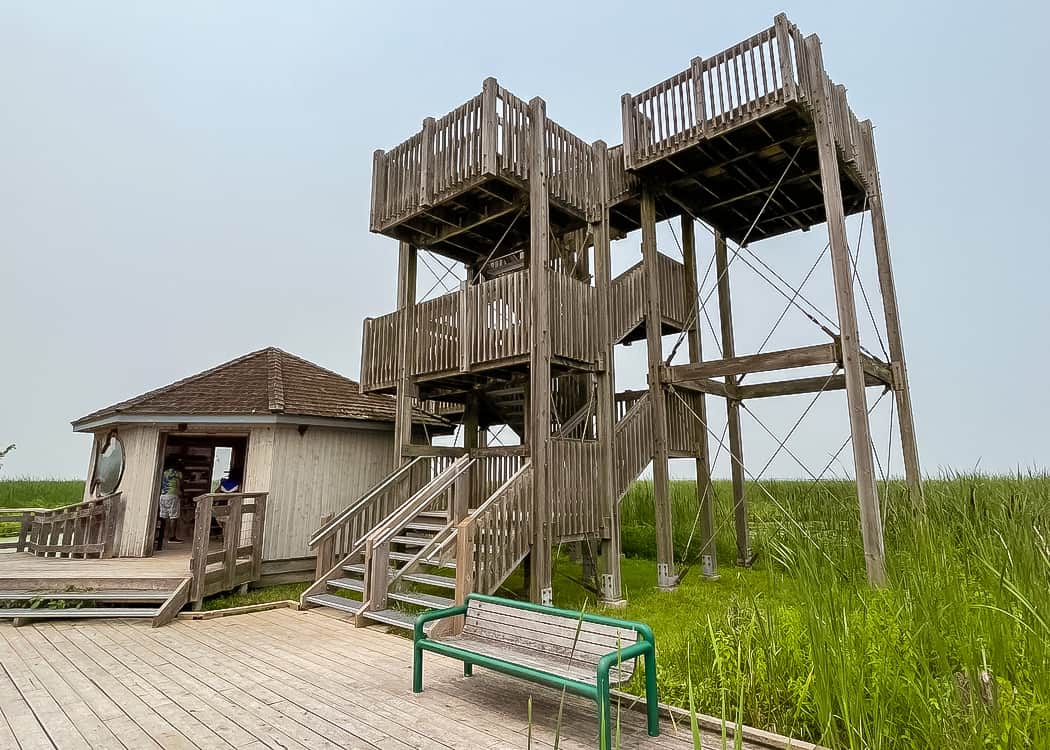
6. Explore the Parks Canada Visitors Centre
The Parks Canada Visitors Centre is definitely a must-visit spot for anyone visiting Point Pelee National Park!
This vibrant hub is the perfect starting point for your park adventure. Inside, you’ll be greeted by a wealth of information and resources to enhance your visit.
Immerse yourself in the captivating exhibits that showcase the park’s natural wonders, cultural heritage, and conservation efforts.
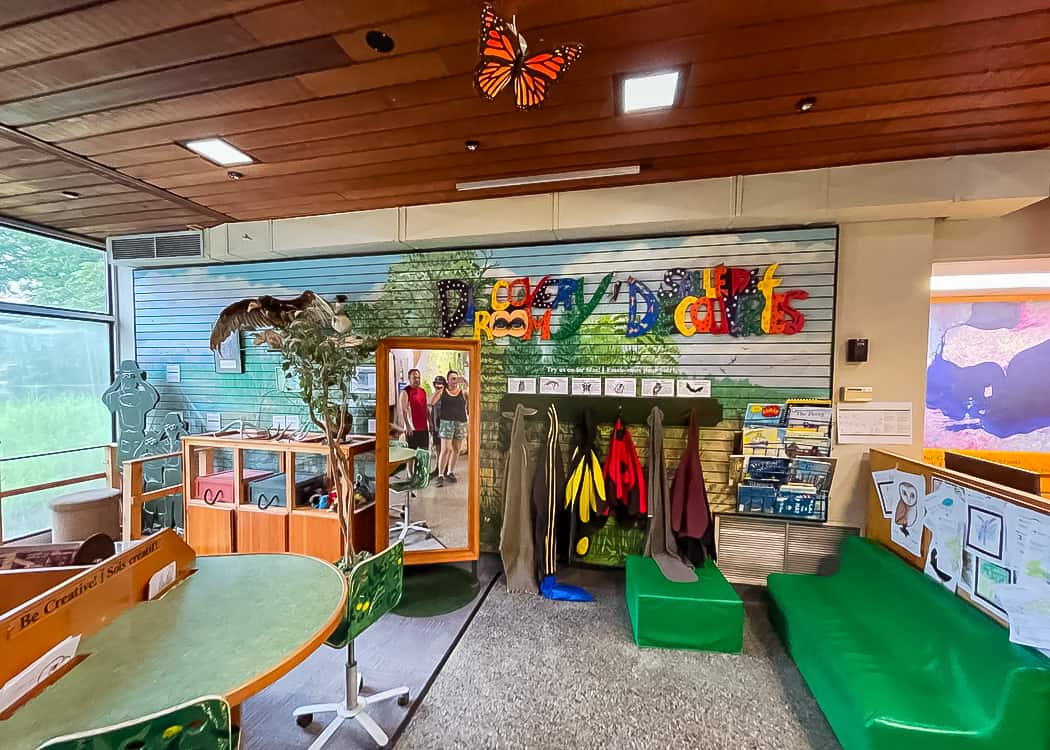
From interactive displays to informative videos, you’ll learn all about the unique ecosystems and wildlife that make Point Pelee so special.
There is even a whole corner geared toward younger children. Filled with colouring pages, puppets and displays, it’s a great place to sit and cool off during the summer heat.
Friendly and knowledgeable staff are on hand to answer your questions, provide guidance on activities, and offer insider tips.
Don’t forget to browse around the gift shop. Not only will you find a wide selection of park-themed souvenirs and mementos, they even carry some snacks and ice cream.

There is plenty of free parking at the Visitor’s Centre, including an area for larger RVs to park. And if you are planning to catch the shuttle to the Tip, you will find the pick-up area right outside the main entrance.
Washrooms and free Wi-Fi can also be found inside the Visitor’s Centre.
7. Go on a Geocaching Adventure
Have you tried Geocaching yet? We actually had not. But lucky for us, Point Pelee National Park offers the perfect experience for beginners and kids.
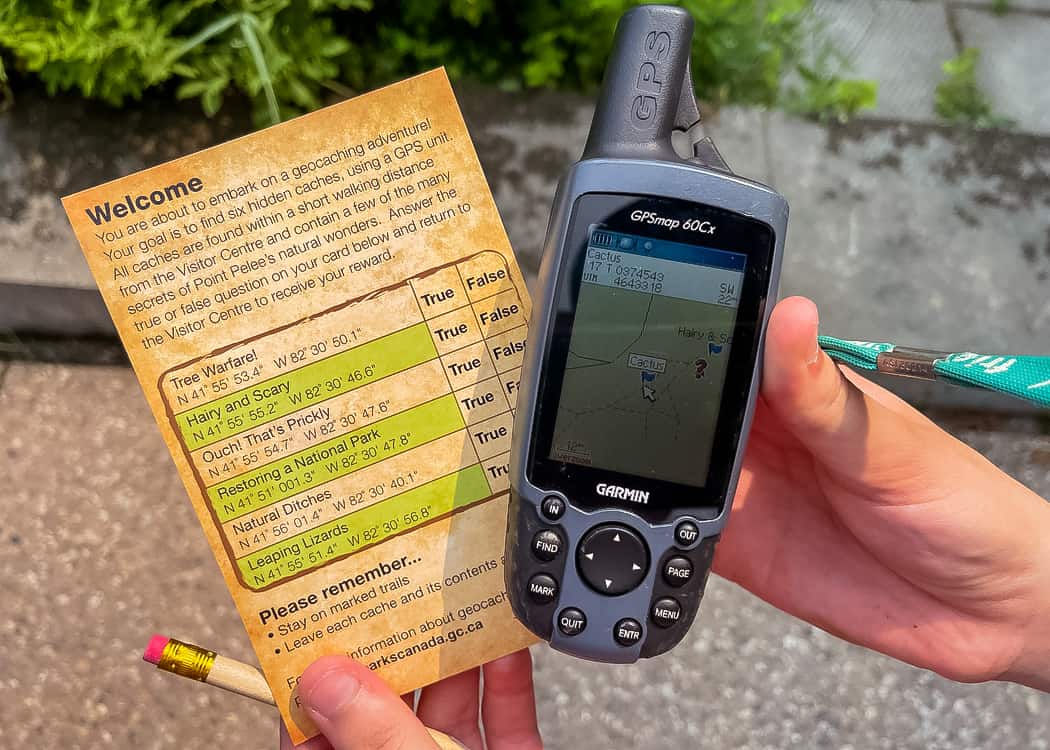
The experience is offered at the park’s Visitor’s Centre. The cost is $3 to borrow the GPS device, but you will have to leave your credit card information in case you do not return the GPS.
Geocaching is a modern-day treasure hunt that combines outdoor exploration with technology. Equipped with a GPS device, you’ll follow coordinates and the clues on a checklist to search for hidden caches scattered around the Visitor’s Centre.
Each cache is a hidden lockbox that contains a booklet with information about the park, and the answer to a question on your checklist.

Keep your eyes peeled for wildlife encounters as you search for caches. Point Pelee is home to a variety of bird species, turtles, deer, and more.
It’s not uncommon to stumble upon a surprise encounter with a curious critter as you explore the hidden nooks and crannies of the park.
Geocaching is an activity suitable for all ages and skill levels, making it a fantastic adventure for families, friends, or even solo explorers. It encourages teamwork, problem-solving, and a sense of discovery.
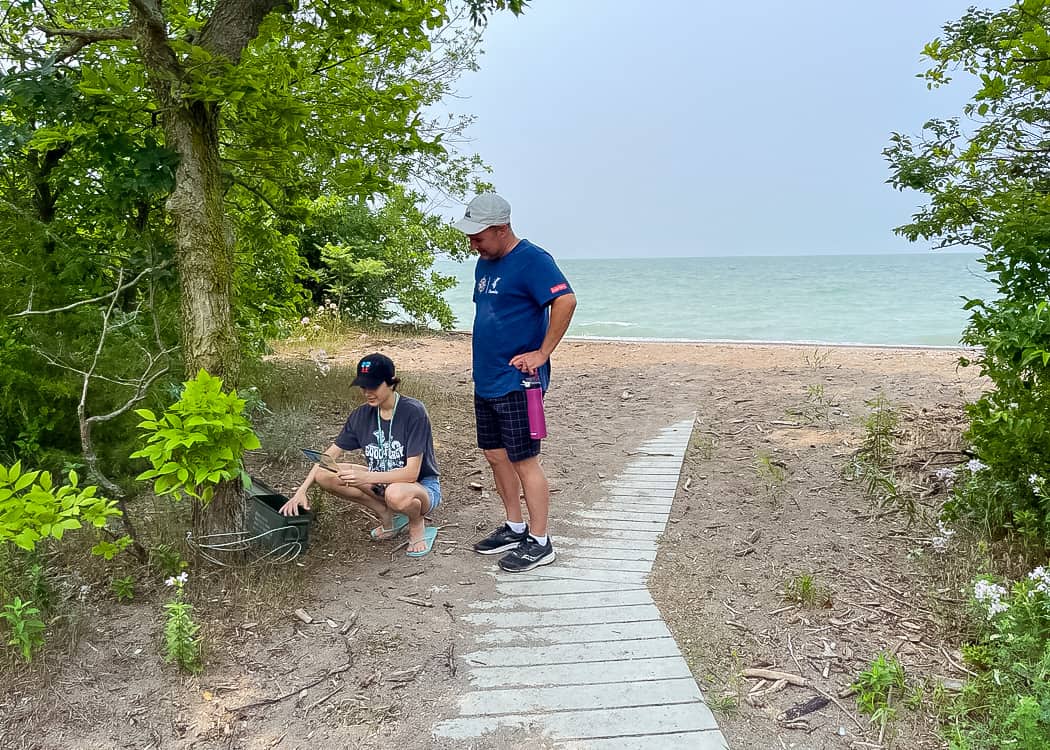
The Geocaching experience at Point Pelee took us about an hour, so it’s perfect for beginners and families with younger children.
8. Take a Guided Freighter Canoe Tour Through the Marsh
A guided freighter canoe tour through the marshes of Point Pelee National Park is definitely an adventure you won’t want to miss.
The tours are led by experienced Parks Canada guides. So, you’ll not only get to enjoy a peaceful paddle through the marsh, but you will also gain some fascinating insights into the ecosystem and its inhabitants.

From herons to sunbathing turtles, you’ll have the chance to observe the marsh’s remarkable flora and fauna up close. It really was a cool experience!
And the best part is, you don’t have to be an experienced paddler. These guided tours cater to all skill levels, ensuring a safe and enjoyable experience for everyone.
Our guide did a really good job talking about the invasive plant species in the marsh, and how the park is trying to deal with it. She also gave us the rundown of all the types of frogs and turtles that live in the marsh, which completely fascinated our daughter.
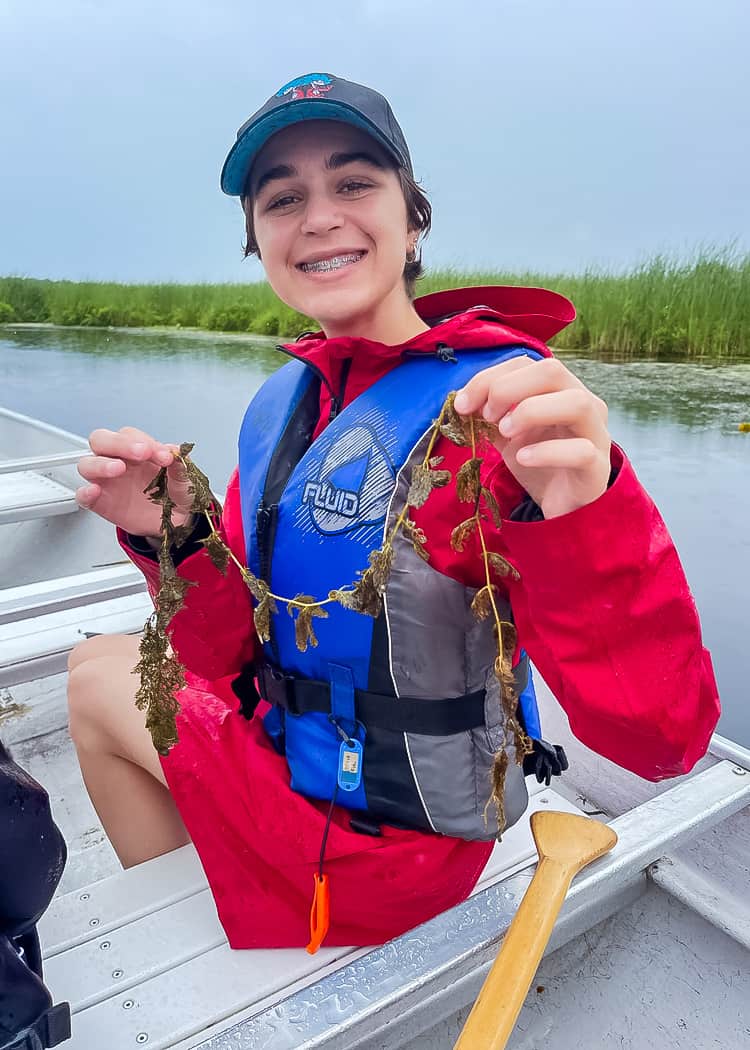
And speaking of turtles, be sure to head into the small Parks Canada kiosk at the bottom of the Marsh Tower. You will find a collection of turtle shells there, along with other cool stuff like colouring pages for the younger kids.
9. Stretch Your Legs on a Hike
You can’t visit a National Park in Canada without heading out on a hike! And Point Pelee is home to several awesome trails.
In fact, all but the Chinquapin Oak Trail are between .5 km and 3 km, which would take you less than an hour to complete.
Most of the trails at Point Pelee are either packed gravel or wooden boardwalk (or even a combination of both) so they are easily accessible if you have a stroller with you.
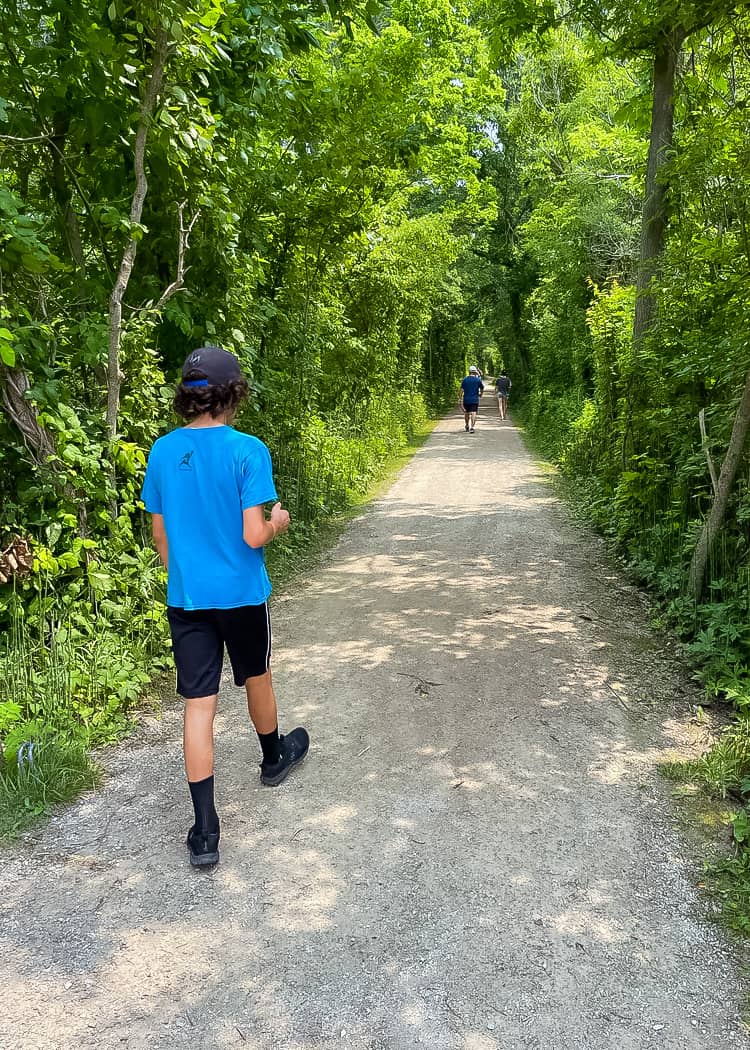
And depending on the hike you choose, you could be meandering through a lush forest, or overtop of an awesome marsh.
Most of the trails have plenty of parking at the trailhead. Many also offer washrooms at or near the beginning of the trail.
One thing to note, however, is that all trails south of the Visitor Centre are reserved for walking.
🥾 Point Pelee Hiking Trails
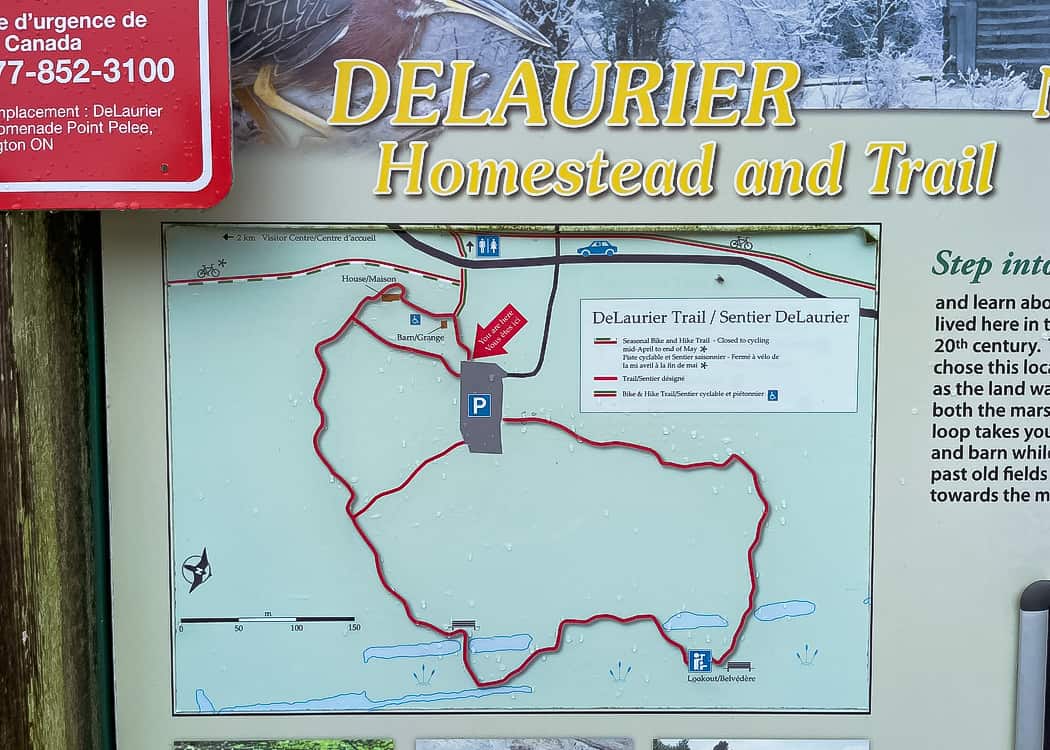
10. Walk the Marsh Boardwalk
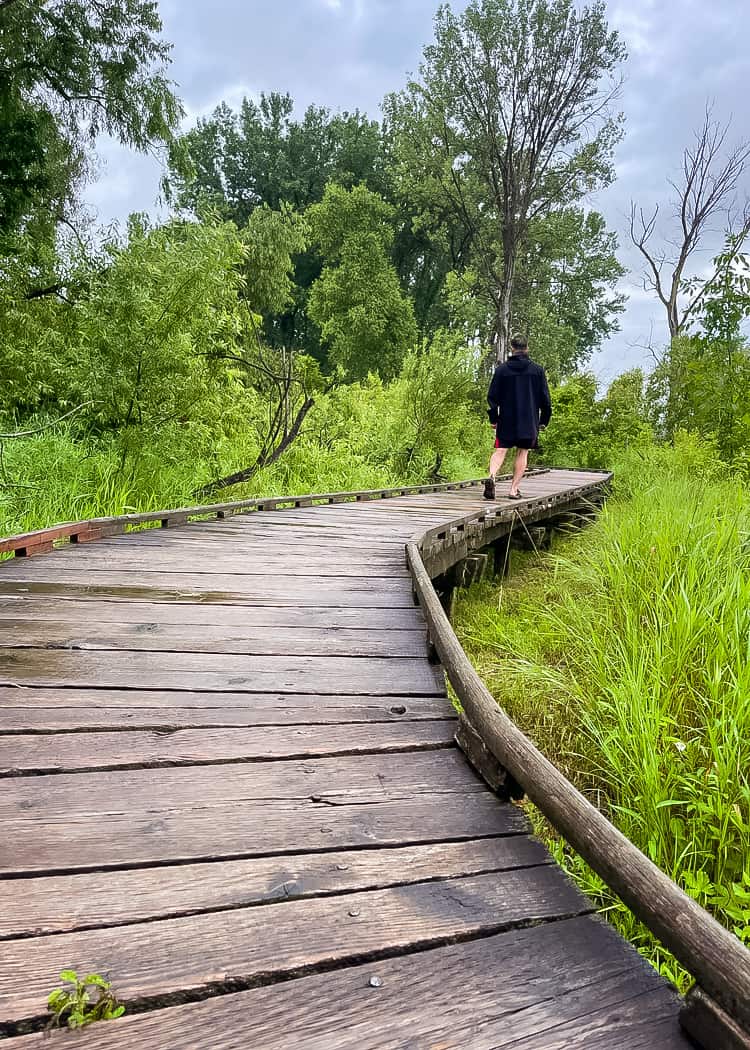
Exploring the Marsh Boardwalk was one of our favourite things to do in Point Pelee National Park. Although we mentioned the trail in the above Hiking section, we would consider it more of a walk than a hike.
The full 1 km loop is a wooden boardwalk. This means that it is pretty level, and wide enough to be fully accessible for wheelchairs or strollers.
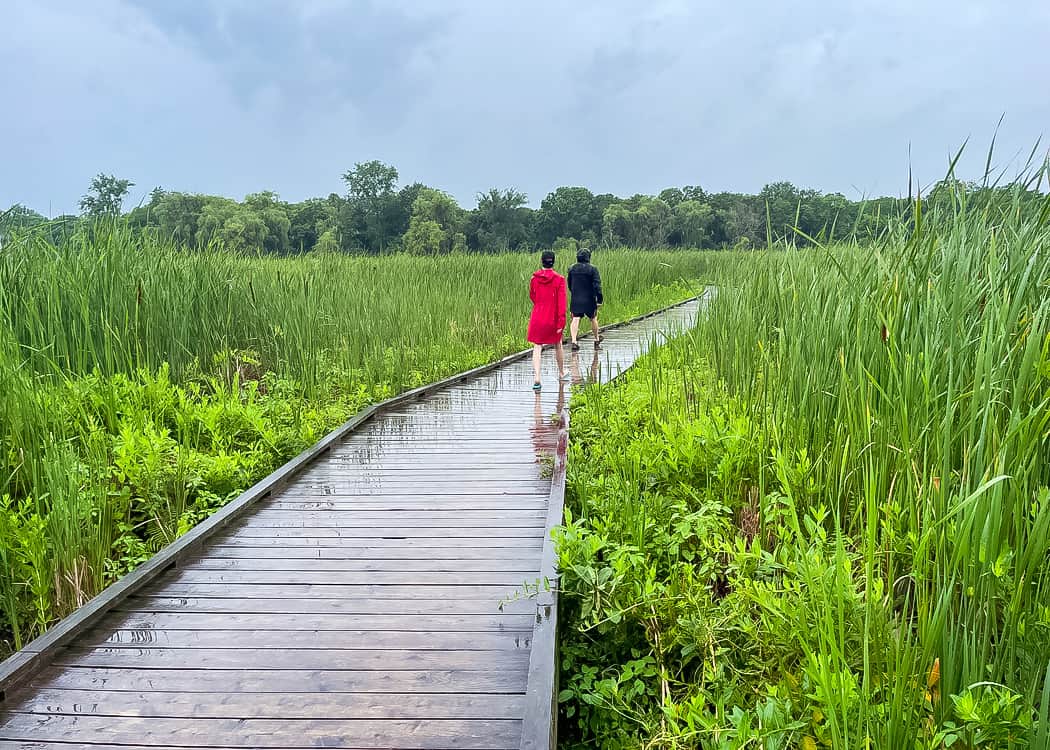
There are even several benches along the trail where you can stop for a rest or to admire the sights and sounds of the marsh.
The great thing about the boardwalk is that it allows you to explore the delicate marsh ecosystem without disturbing its fragile balance.
And while the trail suggests a 45-minute time frame, it only took us approximately half an hour to leisurely stroll the entire trail.
The kids enjoyed the trail so much, that they asked to come back in the evening. So, armed with flashlights, we made our way around the trail for a second time.
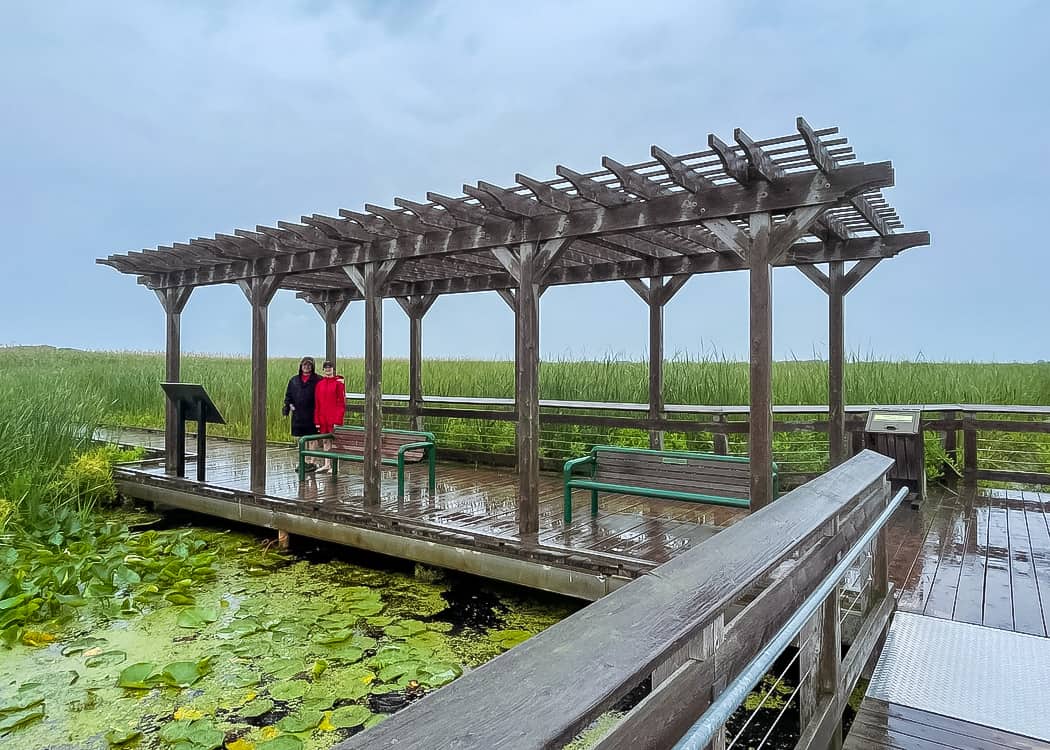
The fireflies and the cacophony of frogs made for a really cool walk. And we definitely weren’t the only family enjoying that same evening stroll!
11. Go for a Bike Ride on the Trails
Point Pelee is also home to 12 km of bike trails and 9 km of roadway. So hopping on a bike is a great way for families to explore this park.
In fact, the trails are well-groomed so you could practically bike the whole park on the trail system which is accessible from most picnic areas.
There are four bike routes to choose from. Some are on separate trails, while others are on the park’s roadway or on a shared walking path.
🚲 Centennial Hike and Bike Trail
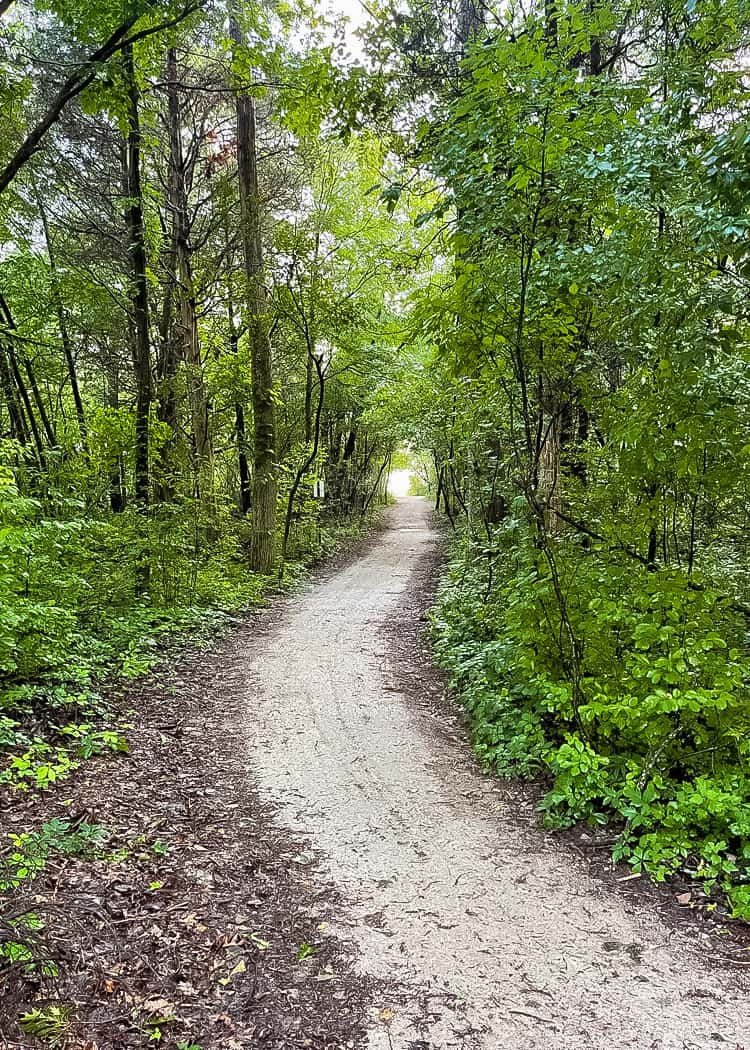
The 6 km Centennial trail is a great way to experience the park. This hike and bike trail will take you through different habitats – from marsh to lush forest, past savannah, swamp forest, and even beach.
The trail will take you from the park entrance to the Visitor Centre.
🚲 Anders Loop
You can start this 4.5 km route at the Visitor Centre or DeLaurier.
🚲 Chinquapin Oak Loop
You can easily access this 2.7 km bike trail from either White Pine or the Visitor Centre.
The trail takes you from Delaurier Homestead through Anders Field, Cactus Field and Tilden Woods to the Visitor Centre.
Keep in mind, this bike trail cannot be used from April 15 until May 31 (every year), as it becomes a pedestrian-only walkway for bird viewing.
🚲 The Tip Trail
I have to say, taking a ride under the Carolinian Canopy along the Tip Road is extremely peaceful and quite pretty. Not to mention, it’s a great way to stay cool on those hot summer days.
In fact, the best time to bike this trail is during the summer months. This is when the road to the Tip is closed to vehicular traffic because the shuttle is in operation.
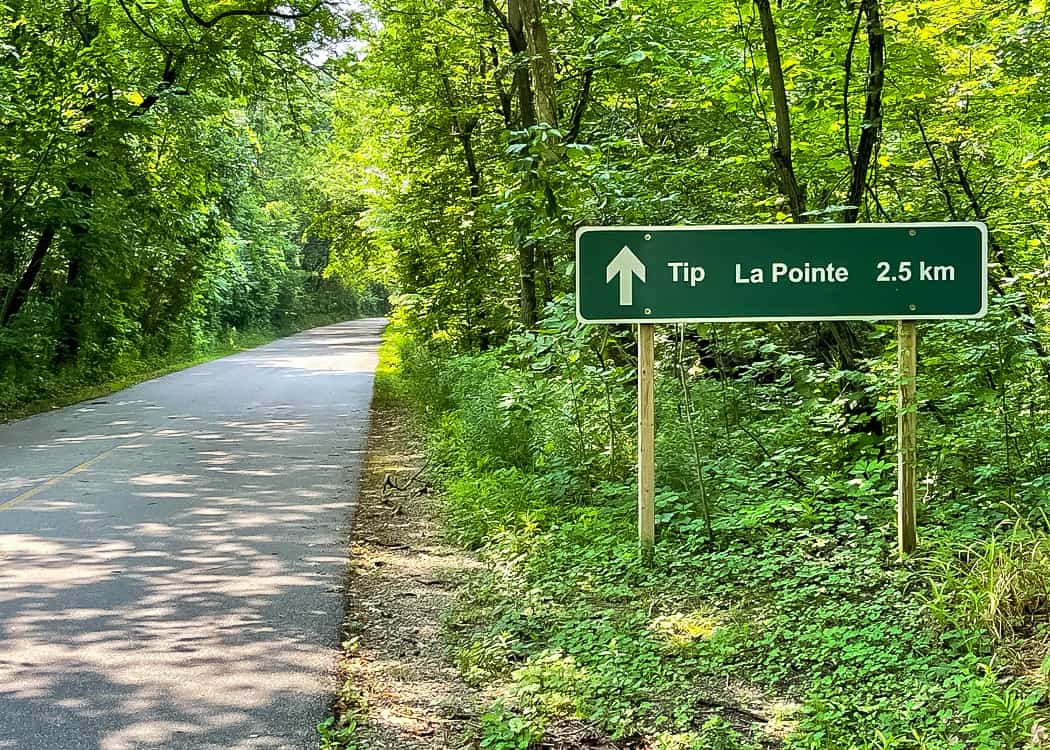
And while cyclists will pretty much have the roadway to themselves, those on bikes still need to be mindful of the shuttle and other pedestrians on the route.
We saw quite a few families with younger kids biking on the road when we took the shuttle to the Tip.
Bike racks are available at the Tip Exhibit Area as the paths are for walking only.
🚲 Don’t worry if you didn’t bring along your own bikes. Bike rentals are available from Pelee Wings at the Marsh Boardwalk.
12. Kayak Through Incredible Ponds and Wetlands
Considering two-thirds of Point Pelee National Park is made up of wetlands, it’s no wonder that it would be an amazing place to explore by water.
With several ponds, as well as the marsh itself to explore, it’s a great way to see the park in a different way.
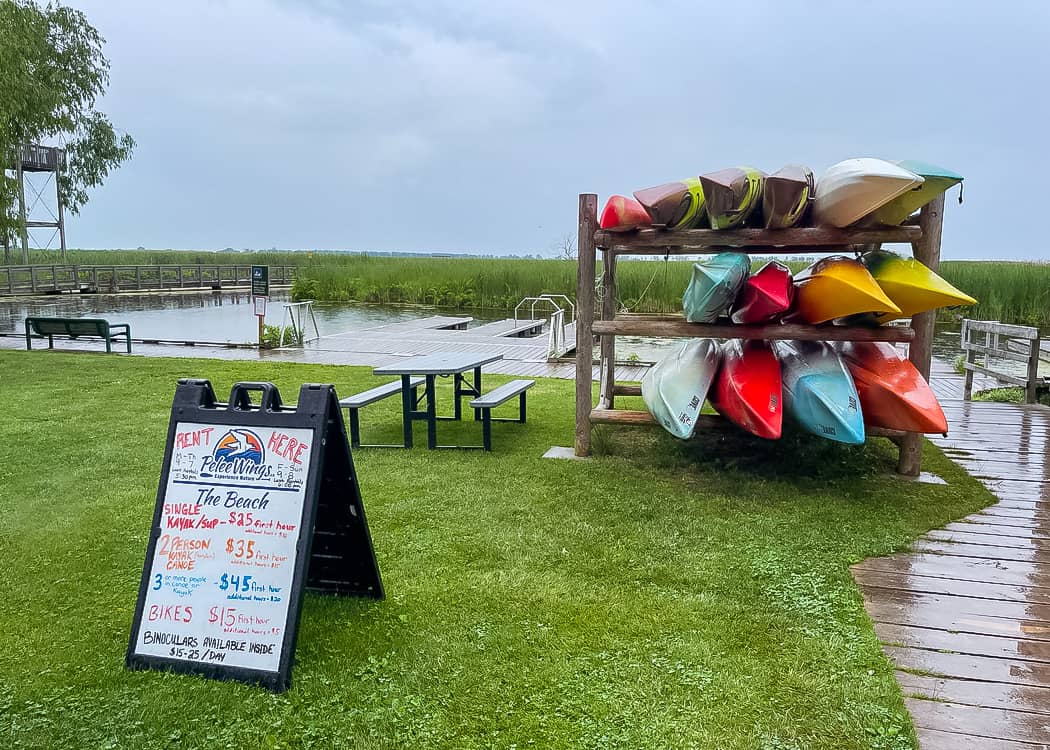
You can bring your own canoe or kayak and launch it from the Marsh Boardwalk. Or, you can also rent a kayak or canoe from Pelee Wings.
Pelee Wings is open daily with rentals available from May to Thanksgiving. Unfortunately, you cannot reserve a kayak or canoe, as rentals are only on a first-come, first-served basis.
13. Step Back in Time at the DeLaurier Homestead
Step back in time and explore the historical significance of DeLaurier House in Point Pelee National Park.
This charming house is a window into the early settlement of the area. It showcases the life and agricultural activity of a small French-Canadian community between 1850 and 1966.
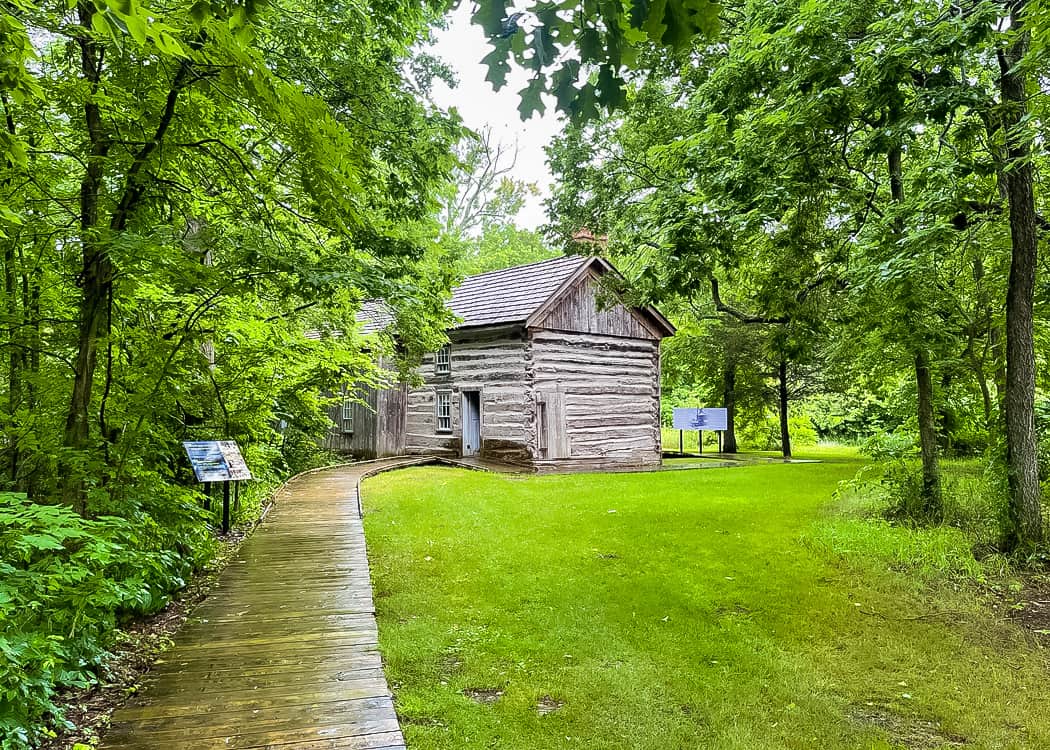
It played a crucial role in the reclamation of marshland, which turned Point Pelee into a thriving agricultural area in the 19th century.
Today, the house is the oldest remaining structure representing export-oriented farming during the late 19th century.
And while you can’t really enter the farmhouse and outlying buildings, Parks Canada has created a walk-through area to view the building’s interiors. There are also several windows that can be used to look inside.
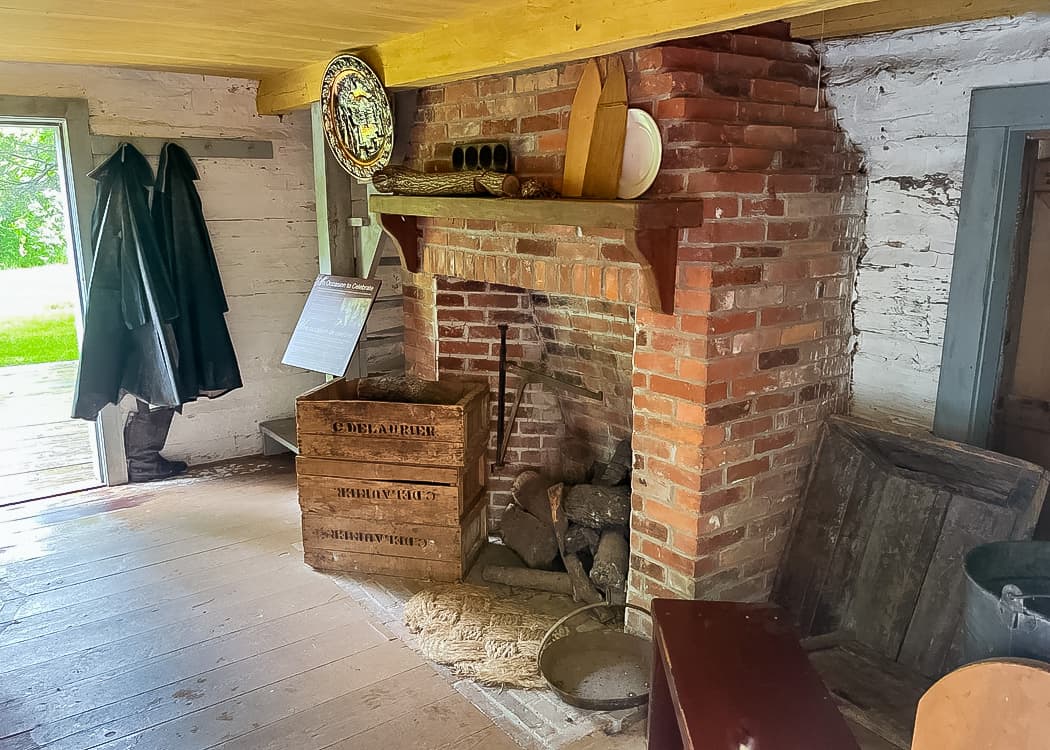
Several interpretive signs are located around the property, which speak to the history of the area and the occupants of the Homestead.
14. See How Many Different Birds You Can Spot
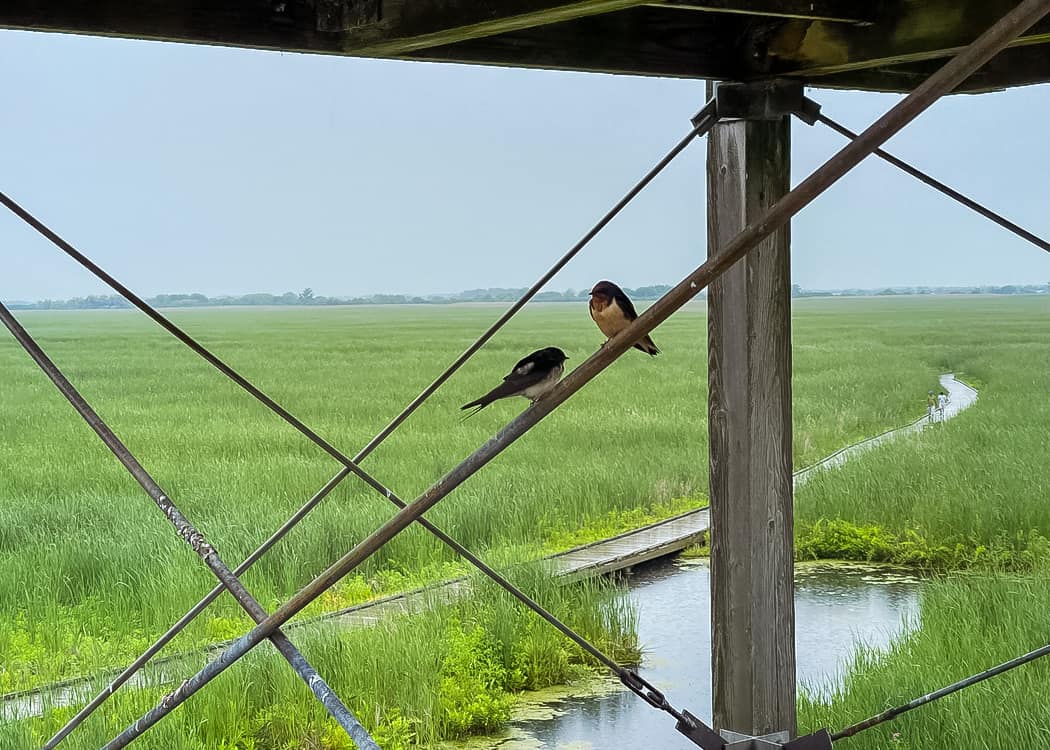
With its diverse habitats and prime location along bird migration routes, Point Pelee National Park is a birdwatcher’s paradise.
The park is located along a major migratory flyway on Lake Erie’s northern shore. As a result, Point Pelee acts as a “Migrant Trap,” drawing in a whopping 390 recorded bird species into a relatively small area.
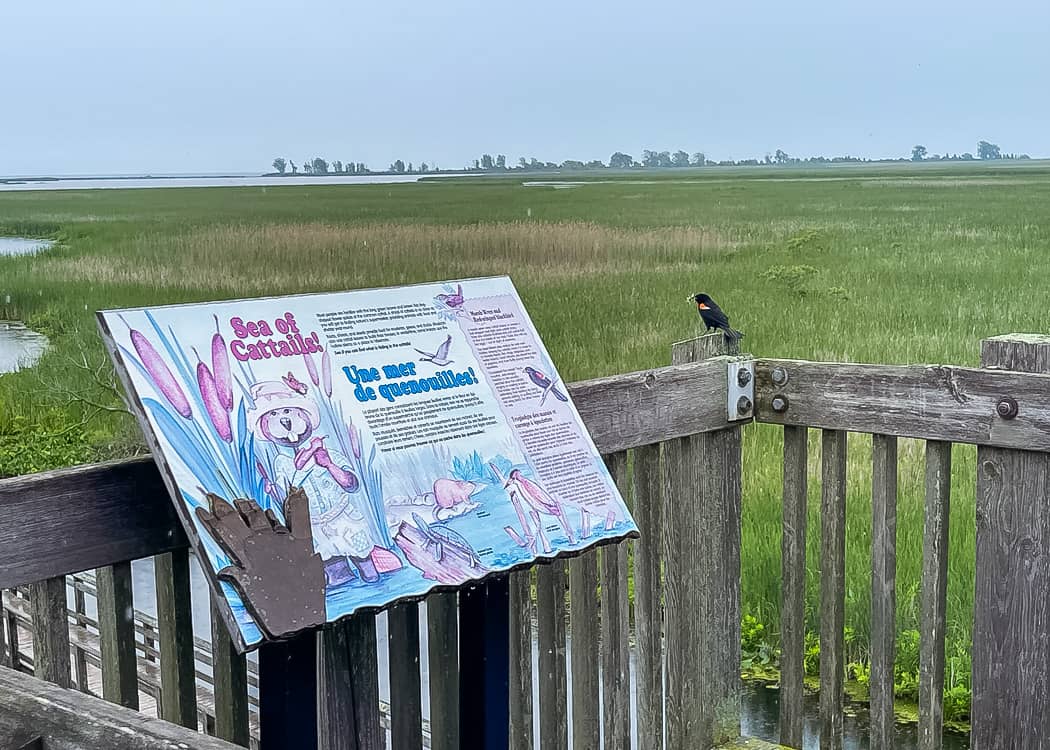
So if you are keen to see some birds, head to Point Pelee in May for the peak of spring migration. Fall is also another great time to see a good diversity of birds as they migrate south.
You can spot vibrant warblers, majestic raptors, Red-throated Loons, Snowy Egrets, Spotted Sandpipers, and Starlings, to name just a few.
So, grab your binoculars, be sure to bring a bird-watching log book, and head out on the trails. The kids are sure to have fun spotting birds that they can check off in their own bird-watching books.
15. Watch the Monarch Butterflies During Their Annual Migration
Monarch butterflies are one of the most recognizable species in Canada. Every year, these delicate creatures embark on an extraordinary journey, travelling thousands of kilometres to the mountains of central Mexico!
Point Pelee is actually a natural stopover point for millions of monarch butterflies as they travel across Lake Erie, eventually making their way south for the winter.
This natural phenomenon must be witnessed to truly appreciate it. And early autumn is the best time to spot these gorgeous butterflies.
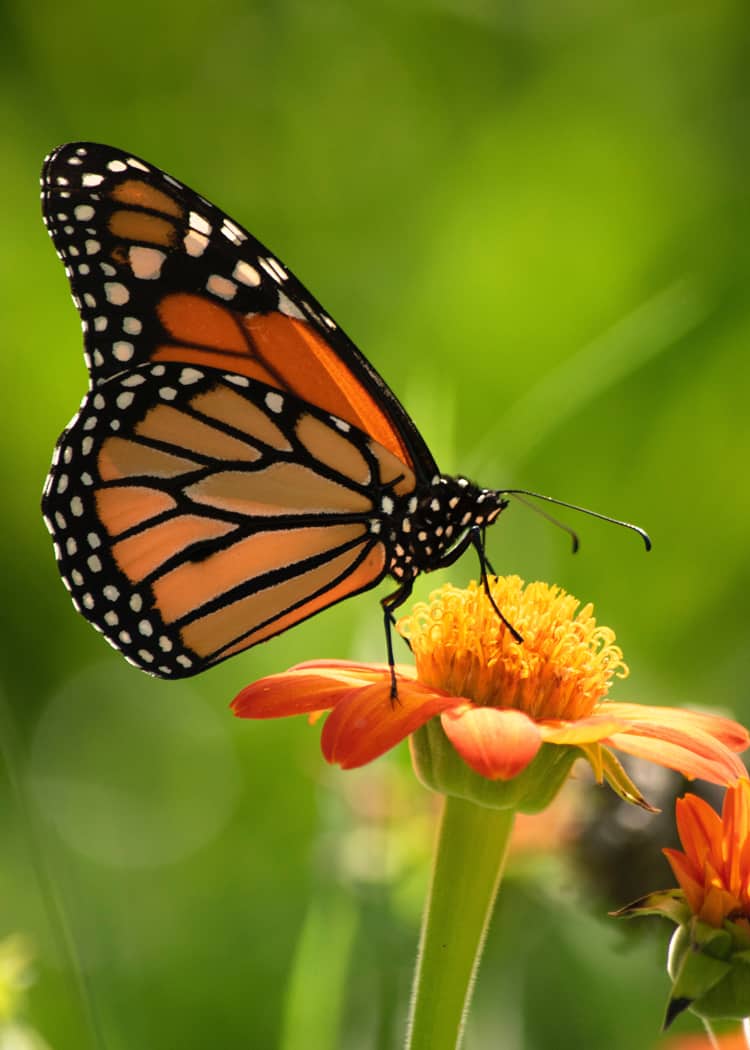
Evenings or early mornings are the best time to spot the butterflies roosting in the trees. They tend to look a lot like dead leaves, so you may have a better chance of spotting them if you have binoculars with you.
Over the last decade, there has been a dramatic drop in the eastern Monarch population. As a result, Point Pelee National Park is doing their part by actively restoring the savannah habitat, which is home to the monarch butterfly.
16. Do Some Stargazing
Did you know that Point Pelee National Park was designated as a Dark Sky Preserve (DSP) by the Windsor Centre of the Royal Astronomical Society of Canada (RASC) in 2006?
This means that the park is one of the best places to do some stargazing in Canada. In fact, they even hold Dark Sky Nights once per month throughout the year, where the park stays open until midnight.
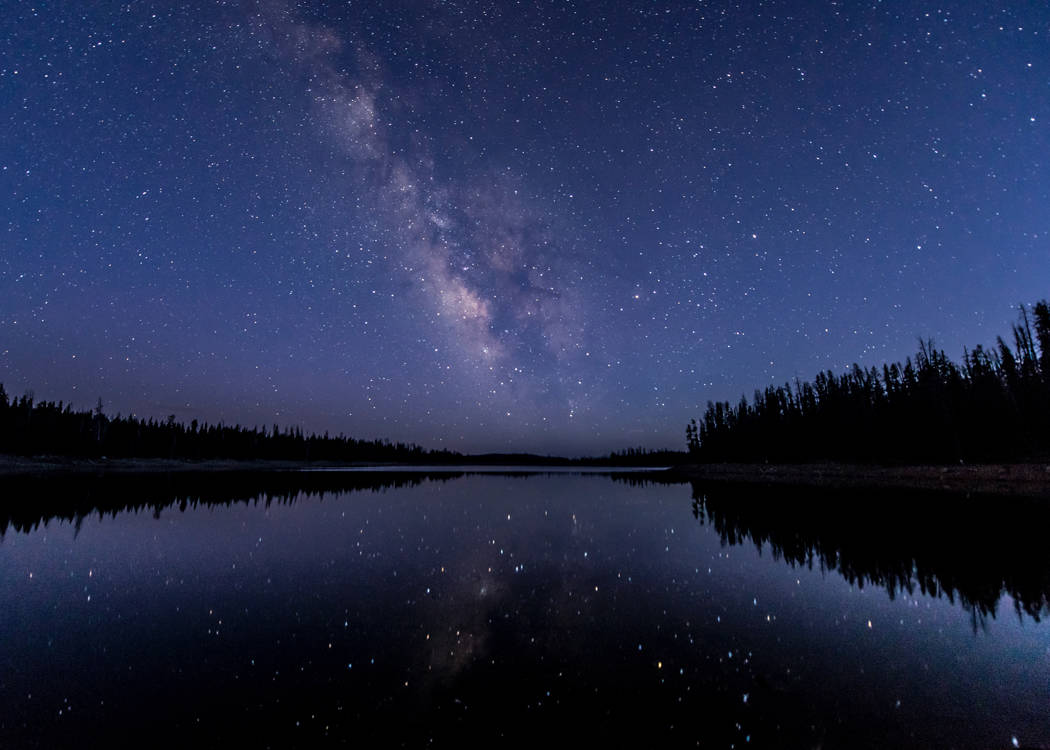
Be sure to pick up your seasonal star chart at the park gate when you arrive. Also, you will need to confirm the location of where in the park the event will be held.
Dark Sky Nights are run by the RASC. They typically will bring telescopes and binoculars for guests to view the stars, as well as put on a small presentation about the night sky.
As a bonus, on Dark Sky Nights, Parks Canada staff will also do guided walks on the Marsh Boardwalk. Complete with glowsticks, the walk is informative and a lot of fun for families.
Pelee Wings also stays open late, so that you can rent a canoe or kayak for a late-night paddle.
We would definitely recommend getting there early, as the parking lot, tours, and even rental slots fill up quickly.
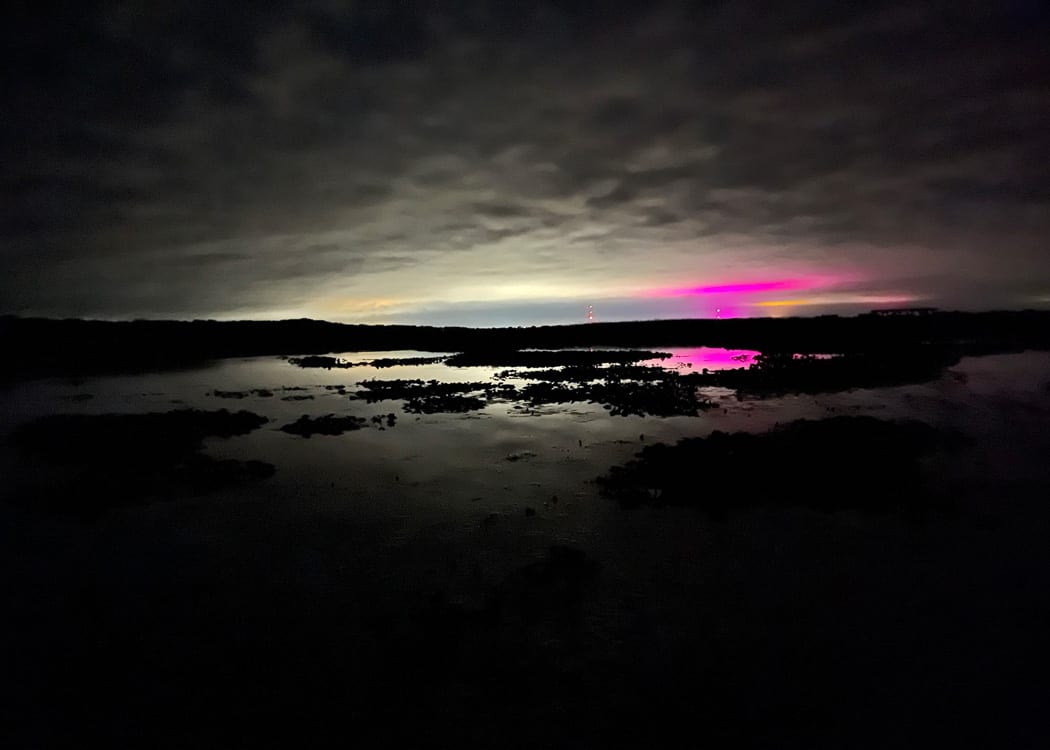
Our visit to the park coincided with the Dark Sky Night, so we took full advantage! It was actually one of our favourite experiences of the weekend.
And if you happen to visit the park in August, Point Pelee does a special Dark Sky Weekend coinciding with the Perseid Meteor Shower. This would be a truly awesome time to be in a Dark Sky Preserve!
17. Find the Iconic Red Chairs
Finding the Red Parks Canada red chairs is a MUST for me when we head to any National Park. My kids will quickly tell you that it’s an obsession of mine!
Starting back in 2011, Parks Canada staff at Gros Morne National Park came up with the idea to place 18 sets of Adirondack chairs around the park.
The goal was to show off lesser-known, but just as stunning, locations and invite visitors to enjoy and share on social media.
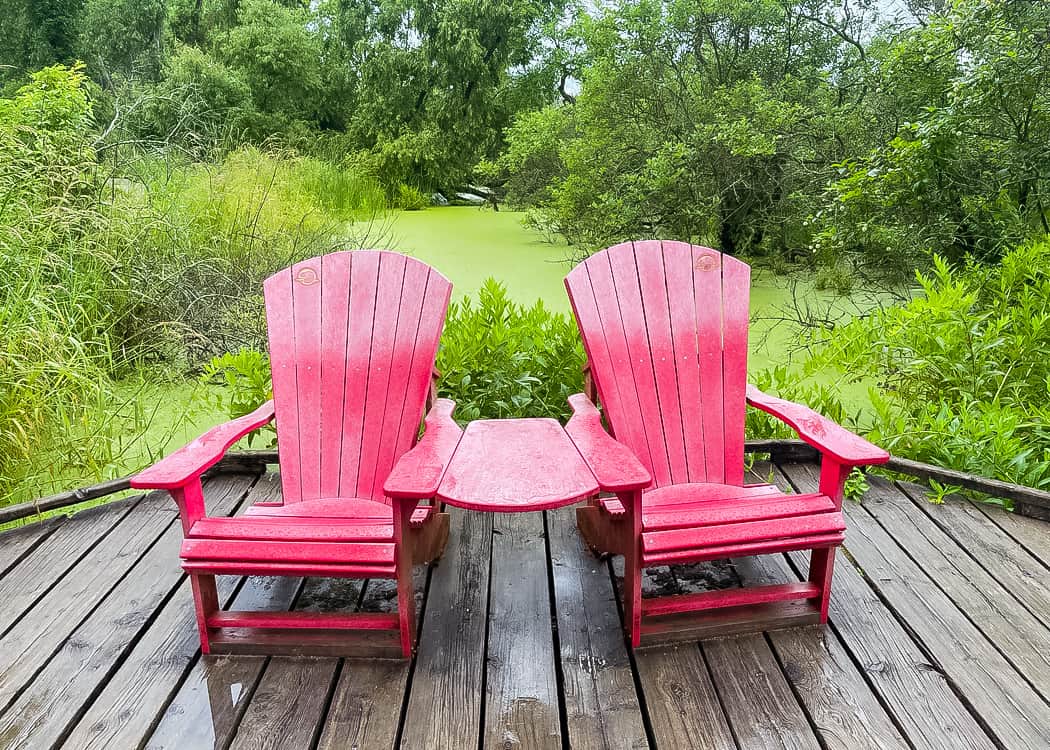
The idea was a complete success! Today, the iconic red chairs can be found in over 100 locations all over Canada.
The red chairs in Point Pelee can be found along the DeLaurier Homestead Trail. They are on a wooden platform overlooking the marsh.
The hike is pretty easy, so anyone wanting to get that Instagrammable shot of the chairs should have no trouble reaching them.
Our advice, be sure to wear plenty of bug repellent, as the mosquitoes were plentiful on this trail.
18. Search for Eastern Prickly-Pear Cactus
Did you know that Point Pelee National Park and Pelee Island are the only two locations in Canada where you can find the Eastern Prickly-Pear Cactus (Opuntia Humifusa)?
We were also surprised to learn that this particular variety of cactus is actually listed as an endangered species.
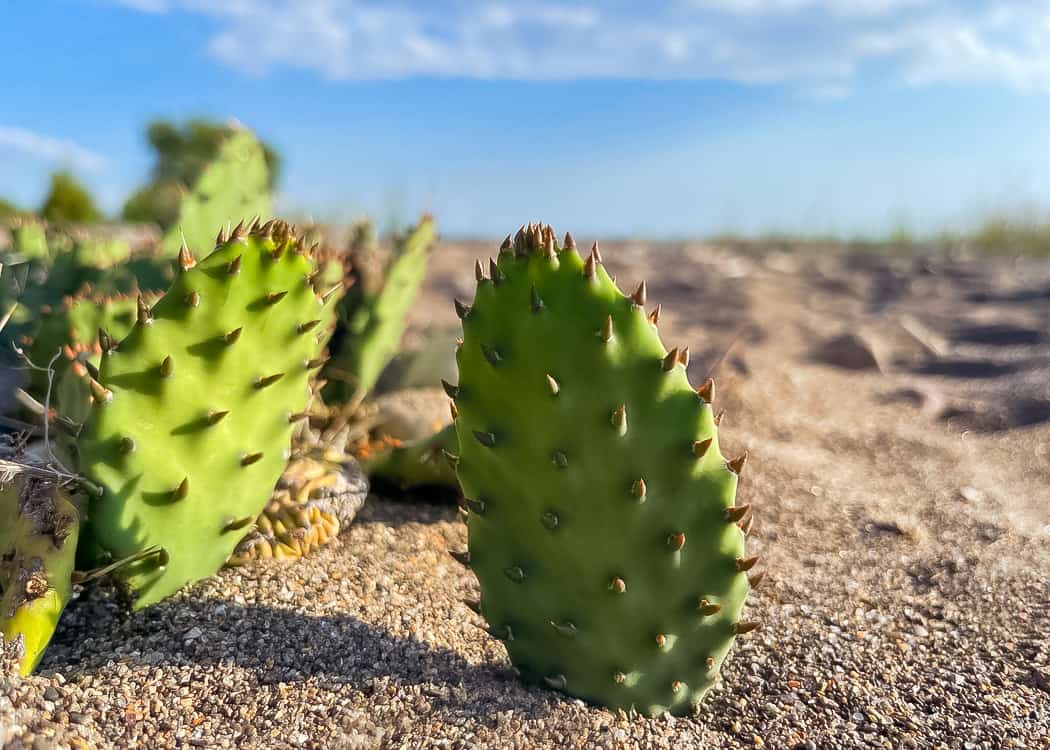
A great way to see the cactus at Point Pelee is to take a stroll along the Cactus Field Footpath. You can access the footpath from the Chinquapin Oak Trail.
Along the way, you can see the massive Eastern Cottonwood, the restored savannah and, of course, the Eastern Prickly Pear Cactus.
We actually stumbled across the cactus, not literally thank goodness, on the beach! The cactus was growing just off the beach path across from Camp Henry.
19. Go for a Wildflower Walk
Parks Canada puts on several different programs throughout the year. And if you love flowers, the Wildflower Walk might be just the one for you.
During the month of May, you can go for a guided 1.5-hour walk through the park to learn all about the beautiful wildflowers that grow there during the spring.
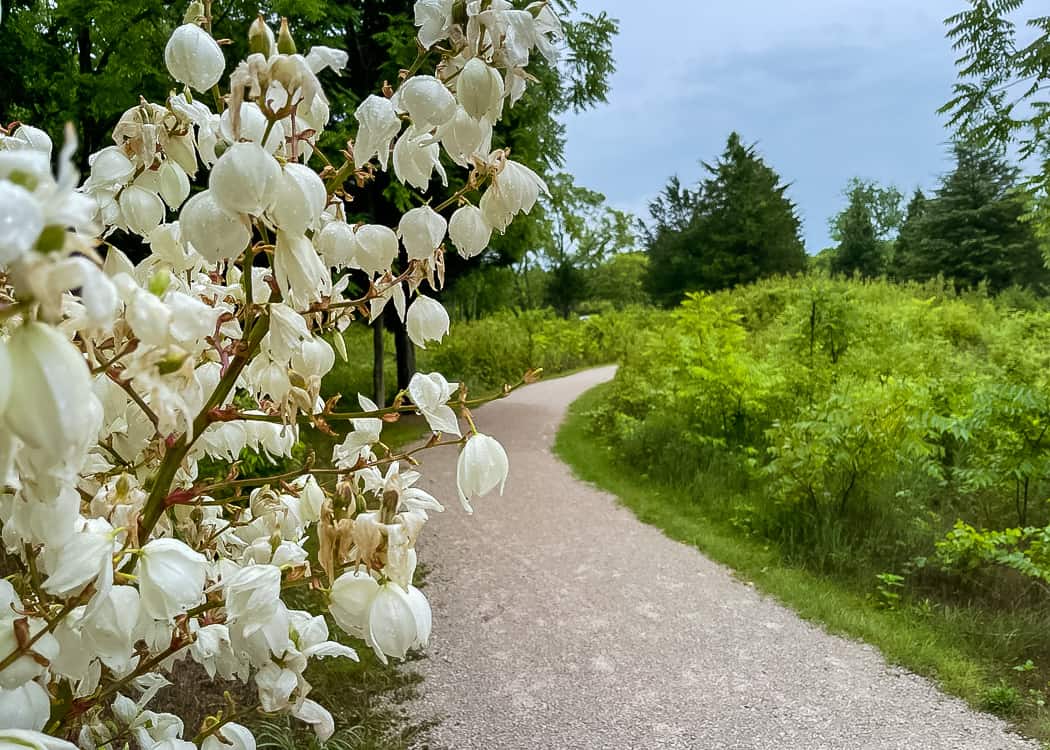
A park ecologist will introduce you to some of the awesome plants that can be found at Point Pelee year-round. Some of them you may recognize, but you may be surprised at just how many might not normally catch your eye.
20. Take Part in One of the Park’s Special Events
Aside from Wildflower Walks and Dark Sky Nights, Point Pelee National Park also puts on several other special events and programs throughout the year.
Sciensational Sssnakes! is an awesome program for all ages where you can get a hands-on education about reptiles and amphibians that live in the park.
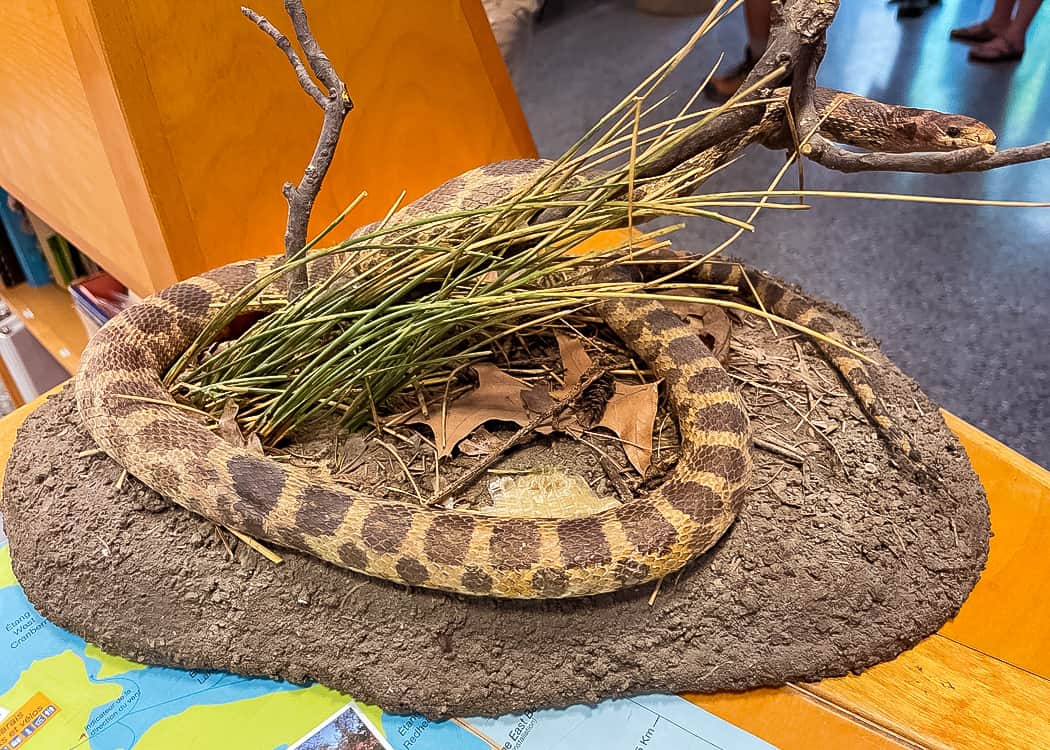
The presentation includes fun facts about the animals, their ecology and conservation issues. You are even able to interact, touch and hold the animals.
Unfortunately, we missed out on this as the snakes were moulting during our visit.
The Festival of Birds is another popular event held in the park. The Friends of Point Pelee and Point Pelee National Park welcome bird watchers each spring to experience the incredible migration of birds from Canada’s southernmost mainland.
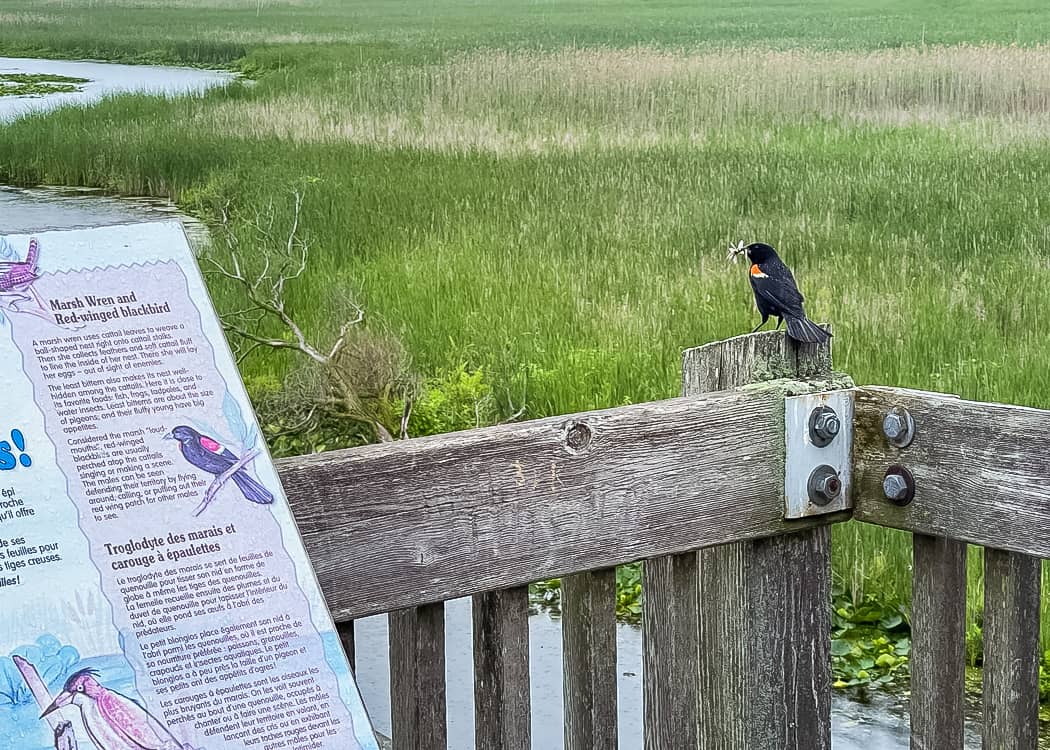
The festival offers a variety of activities, including birding hikes, lunch & learn sessions, the 100 Species Challenge, and a diverse array of services catering to both experienced and beginner birdwatchers.
21. Hit the Playground at Northwest Beach
Northwest Beach is one of the most popular stretches of beach at Point Pelee National Park. And with amazing soft sand and turquoise waters, what more could you ask for?
Well, aside from the standard amenities like picnic tables, charcoal BBQs, changerooms, and washrooms, families will be happy to know there is also an incredible playground located here.
The large playground and climbing structure are almost like an obstacle course for kids! There is also a large pavilion right on the beach, providing some needed shade.
22. Enjoy A Picnic in the Park
With charcoal BBQs and picnic tables located at many of the beaches, having a picnic in Point Pelee National Park is pretty easy.
Most of the beach access points and picnic areas have nearby parking, as well as washroom facilities.
For larger gatherings, you can even rent out the White Pine all-weather picnic facility.
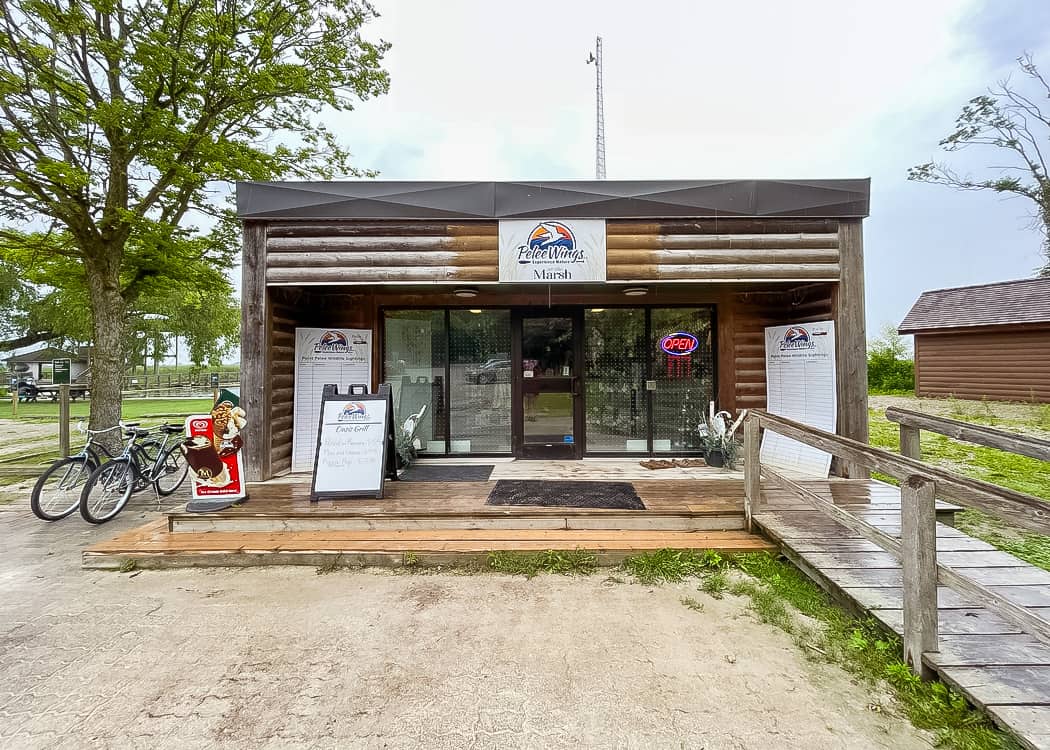
And if you didn’t bring a picnic lunch, head to Pelee Wings at the Marsh Boardwalk. They offer some hot food as well as a variety of snacks and drinks. Just don’t ask for wings… they prefer to keep those on the birds!
If you are looking for something a little more substantial, you could always grab some take-out from Ship Ahoy, located right outside of the park’s main gate. Ship Ahoy offers everything from fish and chips to falafel wraps and tacos.
23. Go for a Sunset Paddleboard on Lake Erie
The warmer waters of Lake Erie are a perfect place to go for a sunset paddleboard or kayak. In fact, we saw plenty of families taking advantage of the calm evening waters during our stay in the park.
The beaches at Point Pelee have plenty of soft sand and a gentle slope to enter the water. This makes it perfect for kids to launch their paddleboards into the water.
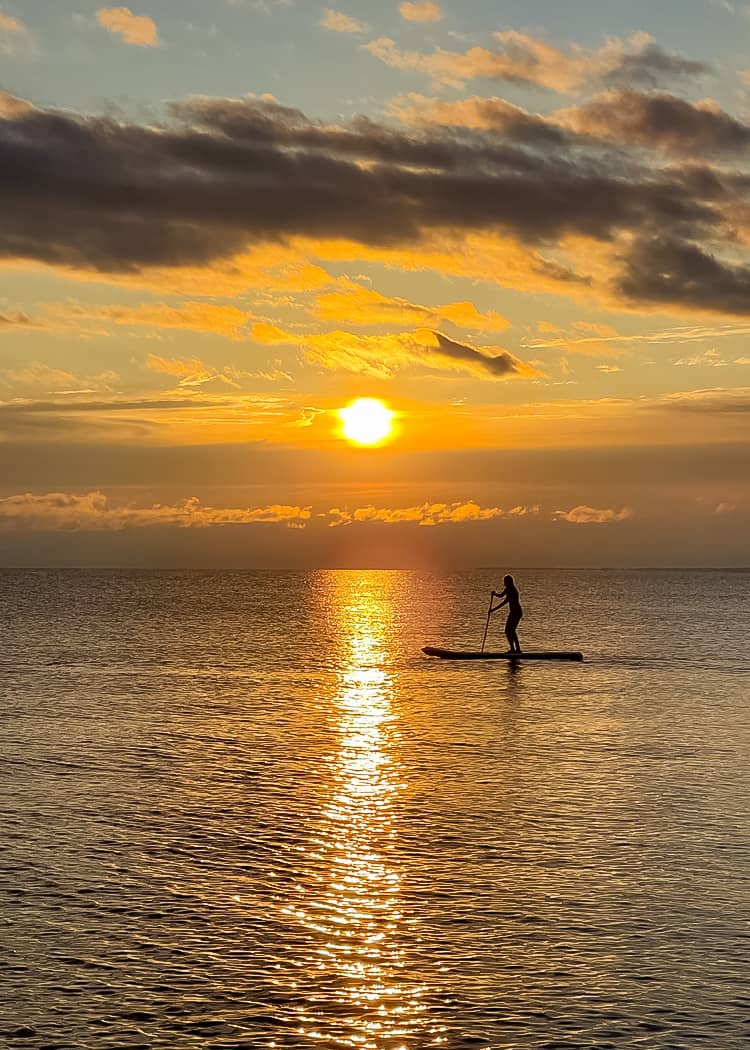
If kayaking is more your style, and you didn’t bring one of your own, Pelee Wings will actually deliver rental kayaks to many of the beaches in Point Pelee. Just check their website for rental costs.
A Little About Point Pelee National Park
Located at the southernmost point of Canada, this park is a nature lover’s dream come true. With its stunning marshes, lush forests, sandy beaches, and diverse wildlife, it’s like stepping into a scenic postcard.
But did you know that at only 15 square kilometres, Point Pelee is actually Canada’s second smallest national park? That aside, the park is still Canada’s most ecologically diverse.

Another fun fact that we found to be absolutely fascinating, is that Point Pelee National Park sits just below the 42nd parallel. This is the same as Rome and Barcelona!
But the beauty of Point Pelee goes way beyond its looks—it has a rich history too.
The area was once inhabited by indigenous peoples for thousands of years before it was colonized by Europeans.
Over time, the marshlands were reclaimed, turning Point Pelee into one of the finest agricultural regions in the 19th century.
In 1918, the park was established to protect its unique ecosystems and provide a sanctuary for migrating birds.

Today, it’s not only a haven for birdwatchers but a playground for nature enthusiasts, hikers, bikers, and for families seeking adventure.
Where Is Point Pelee National Park?
As we mentioned, Point Pelee National Park is nestled in the southernmost tip of Canada, near the town of Leamington, Ontario.
Point Pelee is located about 3.5 hours Southwest of Toronto, and about 53 minutes Southeast of Windsor.

Point Pelee is actually a peninsula that juts out to form a tip and is surrounded by Lake Erie on both sides.
🍅 Fun Fact: The town of Leamington is known as the “Tomato Capital of Canada.”
How to Get to Point Pelee National Park
If you are coming from Toronto, Point Pelee is approximately a 355-kilometre drive.
The drive itself is pretty easy, as you will take the ON-403 West to the ON-401 West. You then need to take exit 63 from the ON-401 onto Chatham-Kent Country Road 1.
When you reach Wheatley, take County Rd 34 West and Mersea Road 12 to Point Pelee Drive in Leamington. Follow the signs directly into the park.

Do You Have to Pay to Get into the Park?
Yes. As a National Park, you will need to pay a fee to enter. This applies even if you have a camping reservation for the park.
The park offers a range of pass options to suit your needs. If you’re just planning a day trip, there’s a daily entrance fee per vehicle, which allows you to explore the park for the day.
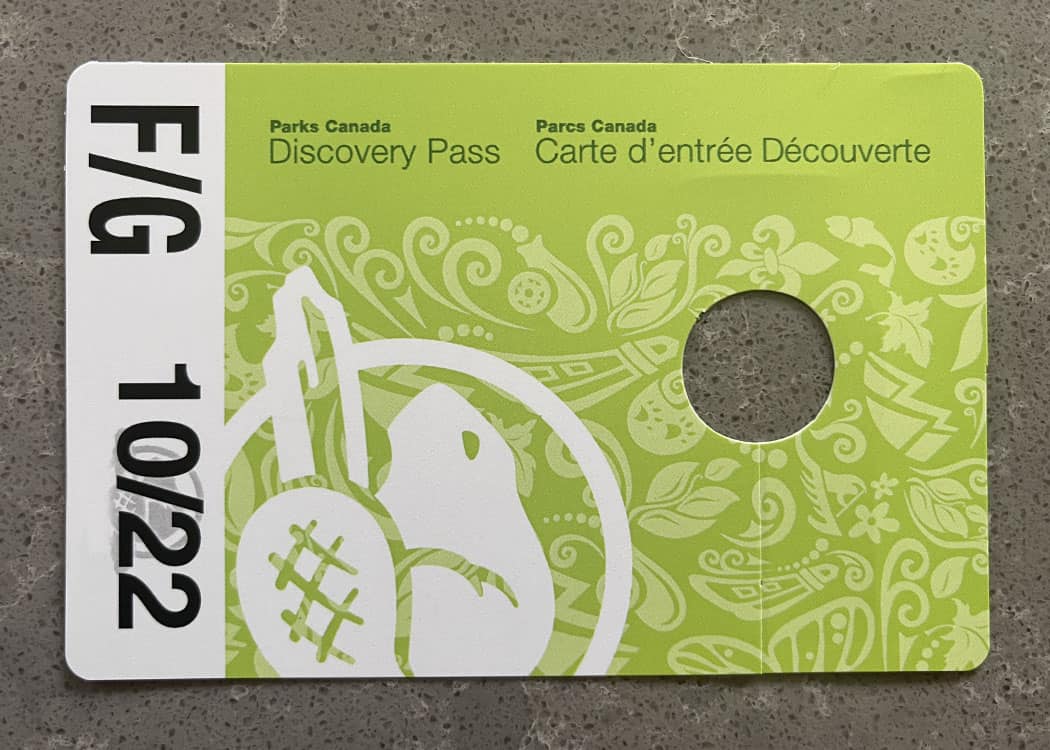
For frequent visitors or those looking for more flexibility, an annual Discovery Pass is available, granting access to all of Canada’s national parks for a full year.
The fees help support the conservation efforts and maintenance of Canada’s National Parks, ensuring that generations to come can also experience their splendour.
🔌 Pro Tip: You can find charging stations for electric cars in the Marsh Boardwalk parking lot.

Where to Stay When Visiting Point Pelee National Park?
When visiting Point Pelee National Park, you have a few fantastic options for accommodations that will make your stay memorable.
If you’re a nature lover and want to fully immerse yourself in the park, then booking a stay in one of the oTENTiks is definitely a must.

If you prefer more comfort, there are a variety of cozy bed and breakfasts and charming inns in the nearby towns of Leamington and Kingsville. These options offer a welcoming and homey atmosphere, perfect for unwinding after a day of exploration.
And if you’re looking for modern amenities and more extensive choices, you’ll find a range of hotels and motels in the surrounding area.
Whether you’re a camper, a B&B lover, or a hotel enthusiast, there’s a perfect place to stay that suits your style and budget when visiting Point Pelee National Park.
Best Time for Visiting Point Pelee National Park
The best time to visit Point Pelee National Park depends on what you’re looking for!
If you’re a birdwatching enthusiast, you won’t want to miss the spring and fall bird migration seasons.
During those times, the park transforms into a birding paradise with a mind-boggling number of species passing through.
Spring migration, from April to mid-May, sees warblers, vireos, and many other songbirds making their way north.
In the fall, from late August to October, witness the spectacle of raptors and monarch butterflies as they embark on their incredible journeys.
If you’re into wildflowers, late April to early June is when the park blooms with a colourful array of flora.
For those seeking a little adventure, the summer months are perfect for hiking, biking, swimming, paddling, and exploring the peaceful marshes.
If you are looking to explore Point Pelee in the winter, you will find that the park’s trails are still open for winter hiking, snowshoeing, or even cross-country skiing.
Tips for Visiting Pelee Point National Park
Here are a few tips to make your visit to Point Pelee National Park a total breeze:
🥾 Be Prepared: Bring comfortable walking shoes, sunscreen, insect repellent, and a hat to protect yourself from the elements.
🦽 Wheel Chair Rental: You can reserve an all-terrain wheelchair for free at the Visitor Centre and at the Marsh Boardwalk from June – September.
📷 Bring a Camera and Binoculars: If you’re planning on birdwatching, don’t forget your binoculars and a bird identification book to fully enjoy the incredible diversity of species. Binoculars would also be perfect for stargazing.
⛺ Book Camping Reservations in Advance: If you’re serious about camping at Point Pelee, you will need to be prepared. Because there are only 24 oTENTiks available in the whole park, they book up really quickly.

Reservations usually go live between February and March, so you will need to keep an eye on the Parks Canada website for details. Trust me when I say, the day reservations open, is the day you will need to book!
🌳 Stay on the Designated Trails: Always stay on the trails to help protect the delicate ecosystems and avoid disturbing wildlife. And speaking of wildlife, do not feed or approach any animals that you see in the park.
⏰ Take Your Time: Point Pelee has so much to offer, from stunning views to hidden treasures. Be sure to allow yourself plenty of time to savour all that the park has to offer.
What Insects Do I Need to Look Out for?
When exploring Point Pelee National Park, there are a few insects you might encounter, aside from the usual pesky mosquitos.
The first is ticks. Ticks can be present in wooded areas, so it’s wise to wear long sleeves and pants, use tick repellent, and perform regular tick checks after spending time outdoors.
Unfortunately, ticks are known to carry Lyme Disease, so it is really important to wear a repellent containing DEET. We try to use this as sparingly as possible, but we don’t want to skimp with the kids.

The second insect to be aware of is stable flies. These suckers are downright nasty too!
They look like large houseflies, but their bite actually hurts. And the wound can get itchy, red and swollen if you happen to be sensitive.
The worst part about stable flies is that they are relentless. And no amount of insect repellent will mask your scent. They have even been known to bite through clothing!
Thankfully, there were just a couple at the beach, so we only suffered from a few bites.
🌿 Insider Tip: Another reason to stay on the designated hiking trails, is the presence of Poison Ivy. It can be found in most places around the park, including the campground.
Point Pelee National Park – FAQs

Point Pelee National Park is known for being one of the best inland locations to observe bird migration in North America. The park attracts a wide diversity of species during the migration seasons. It is also famous for its beautiful marshes, sandy beaches, and diverse ecosystems, making it a haven for nature lovers and outdoor enthusiasts alike.
Northwest Beach and West Beach are two of the most popular beach areas in Point Pelee National Park. Both areas offer washrooms, change rooms and picnic facilities.
Point Pelee National Park only offers oTENTik camping in the parks. Unfortunately, you are not able to car camp, tent camp, or park your camper or RV there overnight.
No. There are no large predators such as wolves, bears or cougars in Point Pelee National Park.
Yes, dogs are allowed in Point Pelee National Park; however, they must be kept on a leash at all times to ensure the safety of wildlife and other visitors. It also goes without saying, that you need to clean up after your pet as well.
Final Thoughts on Things to Do with Kids in Pelee National Park
We hope that we have convinced you that there are so many awesome things to do in Point Pelee National Park with kids. In fact, we would go so far as to say that it is an absolute paradise for families looking to create unforgettable memories with their kids!
From birdwatching to bike rides, hiking adventures to stargazing nights, this park offers a wide range of activities that will captivate and entertain kids of all ages.
So, if your family loves outdoor adventure, then we would definitely recommend adding Point Pelee National Park to your Canadian travel bucket list.
Pin This Post for Later!