
Can You Swim in Moraine Lake? And Other Fascinating Facts
Planning a trip to the Canadian Rockies? Are you wondering “can you swim in Moraine Lake?” We have you covered!
Moraine Lake is known for its crystal-clear waters and stunning scenery. It is also considered one of Canada’s most popular tourist destinations, as well as the most photographed.
And during a couple of our visits to Moraine Lake, we often wondered if you could swim in the lake. After all, it looks incredibly inviting after a vigorous hike!
In this blog post, we’re going to answer that burning question and give you everything you need to know about taking a dip in one of Canada’s most iconic bodies of water. So, grab your swimsuit and get ready to dive in!
Can You Swim in Moraine Lake?
Yes. Technically you can swim in Moraine Lake. However, it is definitely not recommended.
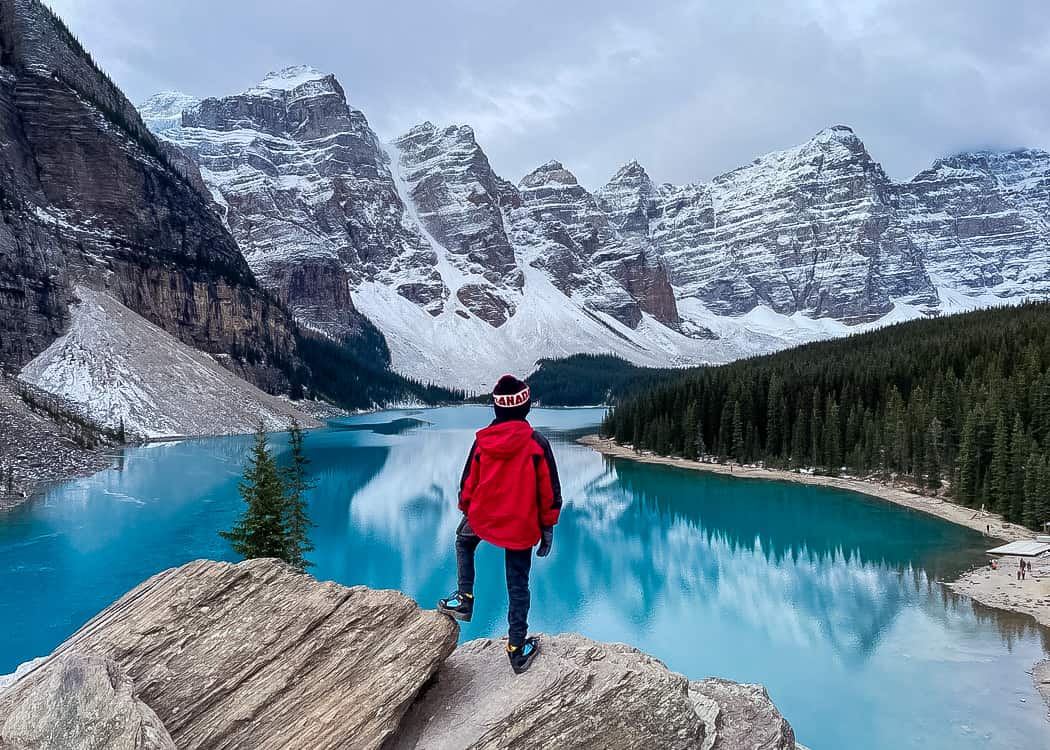
Moraine Lake is undoubtedly one of the most beautiful lakes in the world, surrounded by towering mountains, lush forests, and a tranquil atmosphere that leaves visitors awestruck.
And as tempting as it may be to jump right in, Moraine Lake is a glacier-fed lake that stays icy cold all year long. In fact, the frigid water would make it difficult and dangerous for visitors to take a dip.

Can You Swim in Moraine Lake in Summer?
While the summer months may bring warmer temperatures to Moraine Lake, swimming is still not advisable. As a glacier-fed lake, Moraine Lake’s water temperature remains cold throughout the year.
Swimming in cold glacier-fed water can be dangerous and even life-threatening, even for experienced swimmers.
How Cold is the Water in Moraine Lake?
As we have mentioned, Moraine Lake is glacier-fed, which means that its water temperature remains cold even during the summer months. The average temperature of the water in Moraine Lake is around 5°C to 10°C (41°F to 50°F) throughout the year.
This is due to the fact that the water in the lake comes directly from the melting glaciers in the surrounding mountains, which keeps the water at a consistently cold temperature.
It’s important to keep in mind that swimming in such cold water can be dangerous and even life-threatening, as hypothermia, or even shock, can occur in under 20 minutes.

Why is Moraine Lake Water so Cold?
The water in Moraine Lake comes directly from the melting glaciers in the surrounding mountains. This is why the water in the lake is so cold, with an average temperature hovering around 5°C to 10°C (41°F to 50°F) throughout the year.
Glaciers are massive bodies of ice that form over long periods of time from the accumulation of snow in high-altitude areas. As the temperature rises, the glaciers begin to melt, and the resulting water flows into the rivers and lakes in the surrounding areas.
This process of melting and flow continues throughout the year, which keeps the water in Moraine Lake cold, even during the summer months.
The cold water in Moraine Lake is not only due to its glacial source but also because of its high elevation of over 1,884 metres (6,181 ft) above sea level. The high altitude and the surrounding mountain ranges also contribute to the cooler temperatures in the area.
How Deep is the Water in Moraine Lake?
The exact depth of Moraine Lake is not well known as the lake bottom has not been fully surveyed. However, it is estimated that the maximum depth of the lake is around 14 meters (46 feet).
Moraine Lake is relatively shallow compared to other lakes in the Canadian Rockies, which can reach depths of over 100 meters (330 feet).
The shallow depth of Moraine Lake is due to its glacial origin. The sediments are constantly deposited by the glaciers, in turn creating a relatively shallow basin.

Can You Jump in Moraine Lake?
Although the answer, technically, is yes, jumping into Moraine Lake is probably not the best idea. As we have mentioned, the lake is extremely chilly and would not make for a great experience.
Most people don’t realize that the sudden shock of cold water can actually impact your breathing, your heart rate and your blood pressure enough that it can be life-threatening. So not only are you at risk for hypothermia, but the icy cold water actually puts you at a greater risk for drowning.
Our recommendation – enjoy the many other activities around the lake, such as hiking, canoeing, photography, or simply taking in the breathtaking scenery.
What Kind of Water is in Moraine Lake?
The water in Moraine Lake is glacial meltwater, which means that it comes directly from the melting glaciers in the surrounding mountains. This results in the water being crystal clear and stunningly turquoise in colour.
Glacial meltwater is unique in that it is very low in minerals and nutrients, making it one of the purest forms of freshwater.
This purity is due to the fact that the water in the glaciers originates from snowfall and has been frozen for hundreds of years, which limits the amount of exposure to outside pollutants and contaminants.
The low nutrient levels in glacial meltwater can make it difficult for certain forms of aquatic life to thrive. This results in relatively little plant or algae growth in the lake.
The unique colour of the water in Moraine Lake is due to the presence of rock flour, a fine sediment made up of ground-up rock particles that are suspended in the water. But we will talk more about that later.
Can You Drink Moraine Lake water?
No. Drinking untreated water directly from any natural source, including Moraine Lake, can be risky and is generally not recommended.
While the water in Moraine Lake is very clear and appears to be clean, it can still contain harmful microorganisms, such as bacteria, viruses, and parasites, that can cause illness.
In fact, Parks Canada, the agency responsible for managing Moraine Lake, advises against drinking untreated water from any natural source in the park. This is why they provide several sources of treated water at various locations around the lake and campground for visitors to use.
Can You Drink the Tap Water in Lake Louise?
With that being said, glacier water is also some of the best-tasting water around. So if you are staying in the Banff National Park area, you can most definitely drink the tap water.
Furthermore, you will find many businesses, like craft breweries or even restaurants and bakeries, advertising the fact that their beer, baked goods, or special dishes, are made with pure glacier water.

Why is Moraine Lake so Clear?
Moraine Lake is so clear because it is primarily fed by glacial meltwater. This means that the water comes directly from the melting glaciers in the surrounding mountains, which results in the water being incredibly pure and crystal clear.
This meltwater passes through layers of rock and sediment, which naturally filter out impurities and suspended particles from the water. This is why the water in Moraine Lake looks so clear and pristine.
Another reason for the lake’s clarity is that it doesn’t have a lot of nutrients, which means there’s not much in the way of plant or algae growth. This lack of growth prevents organic material from accumulating and making the water appear murky.
Finally, Moraine Lake is located in a protected area managed by Parks Canada, so there’s not a lot of human activity or development around it. This helps to maintain the lake’s natural beauty and prevent pollution, which can cause water to become cloudy or murky.
Is Moraine Lake Polluted?
No. Moraine Lake is known for its pristine and clear water and is generally considered to be a clean and unpolluted natural environment.
The water in Moraine Lake comes from glacial meltwater and streams that flow directly into the lake, which means it is naturally filtered and free from pollutants.
Parks Canada even has strict regulations in place to limit human activities in the area and to prevent pollution from entering the lake. In fact, as a way of combating environmental issues, starting in the summer of 2023, you will no longer be able to drive to Moraine Lake.
Visitors to Moraine Lake are also encouraged to do their part to help protect the lake and its surroundings by following Leave No Trace principles and properly disposing of waste and litter.

Why is Moraine Lake Water so Blue?
Moraine Lake’s water appears blue due to a natural phenomenon called “rock flour.” Rock flour is created as glaciers grind against surrounding rock, creating a fine dust that is carried along by the meltwater and gives the lake its signature turquoise colour.
The rock flour particles are incredibly small, measuring just a few microns in size. When sunlight enters the water, it scatters off the particles and reflects back to the surface, giving the lake its stunning blue-green hue.
The intensity of the colour can vary depending on the time of day, weather conditions, and the angle of the sun’s rays.
Is Moraine Lake Always Turquoise?
Moraine Lake’s water is not always turquoise in colour. The intensity of the turquoise colour can vary depending on a number of factors, including the time of year, weather conditions, and the amount of sunlight the lake receives.
During the summer months, when the sun is high in the sky and shines directly on the lake, the water appears the most vibrant and turquoise in colour. However, during periods of cloud cover or when the sun is at a lower angle in the sky, the water can appear more gray or green in colour.
In addition, changes in the amount of rock flour particles in the water can also affect the colour of the lake. For example, heavy rainfall or runoff can increase the amount of sediment in the lake, resulting in a cloudier appearance and less intense turquoise colour.

Does Moraine Lake Have a Beach?
Moraine Lake does not have a traditional sandy beach area for swimming or sunbathing. The shoreline of the lake is primarily rocky and steep, and the water can be quite cold and deep.
However, there are still plenty of opportunities to enjoy the beauty of Moraine Lake’s surroundings. The area around the lake offers many hiking trails and scenic viewpoints that provide stunning views of the turquoise water and surrounding mountains.
What Lakes Can You Swim in Near Moraine Lake?
There are a few places near Moraine Lake where visitors can enjoy swimming during the summer months. The most popular options include:
- Johnson Lake: Johnson Lake is a small, picturesque lake located near Banff that offers calm waters and a sandy beach area for swimming. There are also picnic tables and barbecue grills available for visitors to use.
- Cascade Ponds: Cascade Ponds is located off the Minnewanka Loop. And aside from a swimming area, Cascade Ponds also has nearby picnic tables, fire pits, and public bathrooms. Keep in mind, the beach is unsupervised.
- Banff Hot Springs: Though technically not a lake, the hot springs offer a unique place to swim without the bone-chilling cold of glacier water. And you have indoor facilities like change rooms, showers and washrooms to use during your visit.

Is Moraine Lake a Man-Made lake?
No, Moraine Lake is a natural lake and was NOT created by humans. The lake was formed thousands of years ago when glaciers carved out the valley and left behind the rocky moraines that give the lake its distinctive turquoise colour.
The water in Moraine Lake comes from glacial meltwater and streams that flow directly into the lake. The water is not controlled by any man-made structures like dams or reservoirs.
Can You Kayak on Moraine Lake?
Yes, kayaking is permitted on Moraine Lake and is a popular activity for visitors to the area. The lake is surrounded by stunning mountain scenery, and kayaking provides a unique and peaceful way to explore the lake and take in the beauty of the surroundings.
Kayaks can also be rented from the Moraine Lake Lodge, located just a short walk from the parking lot. The rental fees are a little on the steep side, but the unique views from the water would definitely make up for it!

Can I Paddle at Moraine Lake?
Yes, paddleboarding is allowed on Moraine Lake and it’s a popular activity among visitors. Paddleboarding is a great way to explore the lake and take in the stunning mountain scenery that surrounds it.
Visitors can bring their own paddleboards to Moraine Lake or rent them from nearby towns like Banff or Lake Louise. It’s important to note that the water in Moraine Lake can be quite cold, even in the summer months, so visitors should dress appropriately and be careful when paddleboarding.
We even saw several people paddleboarding during our visit to Moraine Lake in October. The area was snow-covered and the lake was already partially frozen, but it didn’t seem to stop the die-hards.

Can You Swim in Moraine Lake – Final Thoughts
Moraine Lake is a beautiful and popular destination in the Canadian Rockies, and swimming in its turquoise waters is definitely a tempting idea for many visitors.
Can you swim in Moraine Lake? Yes. But it’s important to remember that the water can be extremely cold, even in the summer months. So should you? We would say no.
So whether you choose to take a dip in the clear waters, explore the lake by kayak or paddleboard, or simply sit back and enjoy the stunning scenery, a visit to Moraine Lake is sure to be a highlight of any trip to the Canadian Rockies.
Pin This Post for Later!

Related Posts:
- How to Get to Moraine Lake – NEW Rules
- Can You Swim in Moraine Lake? And Other Fascinating Facts
- Can You Swim in Lake Louise? And Other Interesting Facts
- Is the Banff Gondola Worth it?
- The Amazing Lake Agnes Tea House Hike – Tips and Information
- The Ultimate Hiking Guide to the Plain of Six Glaciers at Lake Louise
- Hiking Lake Louise – 6 Incredible Hikes You Don’t Want to Miss!
- The Best Moraine Lake Hikes for Families
- Mt. Norquay Via Ferrata in Banff – Why Your Family NEEDS to Try This!
- 11 Incredible Things to Do in Banff with Kids
